Barramundi Supply Shifts: Gill Nets, Quotas, Weather, and Buyer Planning
Riding the Tides of Change in Australian Seafood
Planning seafood for the warmer months starts early in Australia. By late winter in August, home cooks, restaurants, and retailers are already thinking ahead to long lunches, barbecues, and the Christmas rush. Barramundi and king threadfin salmon are often at the top of that wish list, alongside other favourites like prawns and reef fish.
At the same time, the way seafood reaches the Australian plate is changing. Wild-caught and farmed seafood now work side by side to supply our markets, and understanding the difference between them helps you make informed choices. Tighter rules on gill nets, stricter quotas, and changing weather in the Gulf of Carpentaria are all reshaping when and how much wild fish can be caught. That affects what is available, when it lands, and how confidently you can plan menus and freezers.
We are a small family operation working these waters, and we feel every one of those changes. In this article, we want to explain the differences between wild-caught and farmed seafood, share how modern gill-net regulations support sustainability, and tell the story of what it means to be among the last commercial fishers in the Gulf, and how our "Last Water" tribute honours that history.
Wild-Caught Versus Farmed Seafood: What Australians Are Choosing
Across Australia, both wild-caught and farmed seafood play important roles.
Wild-caught seafood:
- Comes from natural environments such as oceans, estuaries, and rivers
- Feeds on natural diets, baitfish, prawns, squid, crabs, and other prey in the ecosystem
- Shows natural variation in flavour, fat content, and texture through the seasons and between fishing grounds
- Is limited by seasons, weather, and strict management rules that control how much can be sustainably harvested
Farmed seafood (aquaculture):
- Is raised in ponds, tanks, or sea cages under controlled conditions
- Is fed formulated diets designed to deliver consistent growth and quality
- Offers very reliable, year‑round supply and consistent size, which many foodservice and retail customers value
- Is managed under its own set of environmental and animal‑welfare regulations
Wild barramundi from the Gulf is one example of wild‑caught seafood. Out here, barra and king threadfin roam big river mouths and coastal systems, following tides, bait, and seasons. They hunt for prawns, small fish, crabs, and whatever the river brings. That natural life shows up on the plate.
Some things people notice with wild Gulf barramundi and king threadfin are:
- Fuller, richer flavour that shifts with wet and dry seasons
- Natural fat lines that build up after good wet seasons
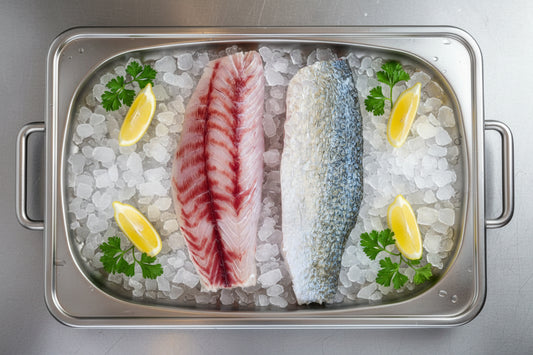
- Firm yet moist texture that holds up on the pan or grill
- Subtle differences from river to river that chefs enjoy working with
Farmed barramundi, by comparison, is raised with a controlled feed and environment. That means steady size, reliable volumes, and more uniform flavour and fat content across the year. There is a place for that predictability, especially when the same fillet is needed every week of the year.
With wild fish from a tightly managed area like the Gulf of Carpentaria, supply is shaped by:
- Fishing seasons and closures
- Total catch limits and quota controls
- Weather patterns and river flow
- How many safe days we actually get on the water
So when you choose wild-caught seafood, you are choosing big character and true Gulf flavour, but also accepting some natural limits. Understanding these trade‑offs across barramundi, king threadfin, and other wild species helps you plan menus, timing, and freezer space with realistic expectations.
How Gill Net Regulations Support Sustainable Wild Fisheries
Gill nets are one of the tools used in Australian wild‑caught fisheries, including the Gulf of Carpentaria. On their own, nets do not make a fishery sustainable. Sustainability comes from the regulations, monitoring, and on‑water practices that govern how those nets are used.
In Queensland and the Northern Territory, commercial gill net fisheries operate under state and federal frameworks that typically involve:
- Licensing: Only licensed commercial operators with endorsed gear and area approvals can use gill nets in specified fisheries.
- Gear controls: Mesh size, net length, and drop are regulated to target legal‑size fish (such as barramundi and king threadfin) and reduce the capture of undersized or non‑target species.
- Spatial controls: Nets cannot be used in designated no‑net zones, marine park areas, key habitat zones, or around certain river mouths and nursery areas.
- Temporal controls: Closed seasons are set around key breeding and migration periods so stocks can spawn and move undisturbed.
- Bycatch rules: Operators must release protected species and non‑retained species, and are subject to inspection and compliance checks.
- Reporting: Detailed logbooks and catch reports are legally required for every trip, providing data for stock assessments and management reviews.
On the water, a typical regulated gill net trip for us looks like this:
- Nets with mesh selected to target legal‑size barramundi and king threadfin
- Set and haul times that avoid leaving nets in the water longer than allowed
- Careful placement to remain outside protected areas, marine parks, and other restricted zones
- Regular checks so any non‑target or protected animals can be released as quickly and safely as possible
These operational rules sit alongside quota and effort controls that limit total removals from the fishery:
- Seasonal closures allow fish to breed and move, particularly around key spawning times.
- Total allowable catch (TAC) or quota limits are set for key species based on scientific assessments.
- Logbook data, observer programs, vessel monitoring, and compliance inspections help managers track how stocks are performing over time and adjust settings when needed.
For our family boat, this means discarding undersized fish, respecting no‑net zones, complying with gear specifications, and being ready for inspections at any time. It also means more fuel, more time, and more care for every kilogram that ends up as a snap‑frozen fillet.
It is detailed and sometimes demanding, but this is what makes modern, gill‑net‑caught fish a genuinely sustainable choice when managed correctly. The rules are designed to protect future stocks so that when you open a box of wild barramundi or king threadfin, you know it has come from a fishery built to endure.
Weather, Warming Seas, and the New Normal in the Gulf
Regulations are only one part of the story. The weather is changing, and out on the Gulf we feel it in our daily work. Some years the wet season arrives late; some years it is weak. River flows, water colour, and bait movements all shift with that, and the fish respond.
We have seen seasons where short, intense monsoon bursts push large volumes of fresh water out of the rivers, followed by long, quiet spells. Barramundi that would normally spread along the coast may stay concentrated near certain river mouths. In other years cyclone threats have cut trips short, sending us back to harbour with part of the catch we were planning on.
Those changes affect supply in practical ways:
- Fewer safe‑weather days to set and haul nets
- Longer runs and higher fuel use chasing more scattered fish
- Short, intense windows when the fish are active, followed by quieter patches
When the safe windows shrink, catches are lower even if the stock is healthy. That is why you may see tighter volumes of wild fillets or more pressure on certain sizes leading into summer. It is not only that demand is high; it is also that tides, rivers, and weather are giving fewer clean chances to work.
Among the Last Commercial Boats in the Gulf
Another quieter shift is happening on the Gulf. There are simply fewer commercial boats working these waters than there once were. Older skippers are stepping off the deck. Licences are being bought out or sold. Costs rise, regulations become more complex to comply with, and for many small family operations, it is difficult to continue.
When we say we are among the last commercial fishers in our part of the Gulf, it is a straightforward description, not exaggeration. On some runs, you can steam for hours without seeing another working net boat. The Gulf feels big, empty, and beautiful, but also a little lonely.
That feeling is part of why we created our "Last Water" tribute. For our family, "Last Water" is a quiet phrase that stays with you while you are on the boat. It is the thought that this trip, this haul, this sunrise over the Gulf could be one of the last for a line of commercial fishers stretching back generations.
Life on board is not glamorous. It is:
- Pre‑dawn starts, with coffee in hand and a headlamp cutting through the dark
- Fixing nets by torchlight when something has torn them up overnight
- The engine stopping, and for a moment there is only the sound of water and the movement of fish on the deck
- Salt in your hair, mud on your boots, and a rhythm of work that feels older than you are
"Last Water" is our way of honouring that working life and the people who quietly kept Australia supplied with wild fish long before most consumers talked about sustainability. It is a tribute to an industry built on skill, knowledge of country and sea, and respect for the resource.
Planning Ahead for Reliable, Sustainable Seafood Supply
For home cooks, chefs, and retailers thinking ahead to the warmer months, Christmas, or special events, understanding the wild‑versus‑farmed picture and the realities of regulated gill net fisheries helps you plan.
A few simple habits make a real difference:
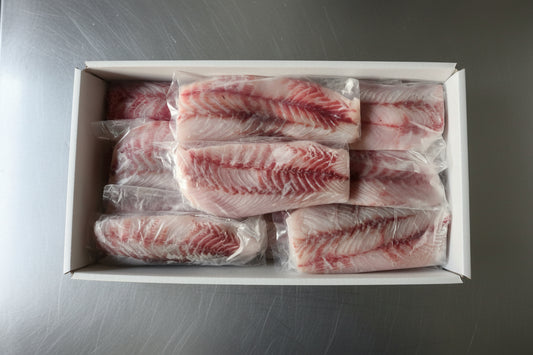
- Order snap‑frozen wild fillet boxes ahead of the seasonal rush, and allow time for weather and quota constraints.
- Be flexible on exact sizes and cuts, especially for wild barramundi, and consider alternative wild species when appropriate.
- Build menus that can move between barra, king threadfin, and other sustainably managed wild or farmed options.
- Think seasonally instead of expecting the same fish in the same way all year.
We work hard to keep customers updated on what the Gulf is offering in real time. Sometimes that means saying, "barramundi is tight right now, but king threadfin is in excellent condition," or suggesting that you stock the freezer earlier in spring so you are not competing with everyone else for the same wild product at once.
Planning this way does more than secure your menu. It supports the future of wild‑caught fisheries. Every time you choose properly managed wild seafood, whether Gulf barramundi, king threadfin, or other regulated species, you help keep skilled commercial fishers on the water and keep their knowledge alive.
Wearing or sharing the "Last Water" story, and explaining to guests why you chose wild Gulf fish, keeps attention on the people, boats, and rules that make sustainable gill‑net‑caught seafood possible. Out here in the Gulf of Carpentaria, that awareness and support will help decide whether the next generation still gets to taste true wild barramundi pulled from these waters.
Enjoy Fresher Meals With Responsible Ocean Choices
Choose seafood that tastes better and respects our oceans with DragonPearl Seafoods. Explore our range of sustainably caught seafood to stock your kitchen with traceable, premium-quality options. If you have questions about specific species, sourcing or bulk orders, feel free to contact us so we can help you order with confidence.