From Boat to Box: How Wild-Caught Barramundi Fillets Stay so Fresh
From Boat to Box: How Wild-Caught Barramundi Fillets Stay so Fresh
Good fish should taste clean, sweet and almost like the sea it came from. When you cook wild-caught barramundi fillets at home, you want that fresh snap when your fork goes in, not soft, tired flesh and a strong smell. Freshness is what makes the difference between a simple weeknight dinner and a meal everyone actually looks forward to.
On a cool Aussie evening, pan-fried barramundi with golden crispy skin and some roast veg on the side feels just right. When the fish is wild-caught from the Gulf of Carpentaria, the flavour and texture are very different to the random fillets sitting in a supermarket fridge. Knowing how those fillets go from boat to box helps you trust what is in your freezer, and it also helps you see why properly frozen fish can often be fresher than the fish labelled “fresh” at the seafood counter.
Why Wild Barramundi Freshness Matters for Home Cooks
Freshness is not only about taste, it is about texture, smell and how easy the fish is to cook. Wild-caught barramundi from clean northern waters has:
- Firm, flaky flesh that holds together in the pan
- A mild, sweet flavour that does not need heavy sauces
- A clean scent that reminds you of the sea, not a wharf bin
Supermarket fish can spend days on ice, moved from boat to market, then to store shelves. By the time it reaches your pan, the texture can turn soft and the flavour can fade. With wild fish from the Gulf, the goal is to lock in that just-caught quality long before it has a chance to break down.
When we understand how fish is handled from the first moment on deck, it becomes easier to trust frozen fillets. Snap-frozen wild-caught barramundi fillets can give home cooks:
- Reliable quality every time
- Less waste, because the fish keeps better
- Freedom to plan meals around busy work and school nights
So the real question is not “fresh or frozen?” but “how well has this fish been cared for from day one?”
From Gulf Waters to Deck: The Moment of the Catch
The Gulf of Carpentaria is warm, wide open and rich with life. Far from big cities, the waters where barramundi and king threadfin salmon live are clean and full of natural food. That is a big reason the flesh has such a pure, gentle flavour.
We are a family-run operation, which means we know exactly who is out on the water, how the gear is handled and what happens the second a fish hits the deck. Smaller, hands-on crews take the time to treat every fish properly, instead of rushing huge volumes through rough handling.
When a barramundi is landed, several steps happen right away:
- Humane dispatch, so the fish is not stressed
- Careful bleeding, which helps keep the flesh light and clean
- Immediate chilling in ice or cold brine, to slow any spoilage
Those first minutes make a big difference. Quick chilling stops enzymes from breaking down the flesh and keeps bacteria in check. It is a quiet kind of care that you can taste later, when the fillet cooks evenly and flakes in perfect layers.
The Science of Snap Freezing Wild-Caught Barramundi Fillets
Freezing is not just “make it cold and hope for the best”. How fast the fish freezes changes everything. Slow freezing, like what happens in some long supply chains or home freezers, lets large ice crystals form inside the flesh. Those crystals can burst the tiny cells in the meat, so when the fish thaws you end up with mushy texture and lots of drip.
Snap freezing works differently. The fish is processed while still at peak freshness, then frozen very quickly so only very small ice crystals form. This protects the natural structure of the flesh.
The steps usually look like this:
- Filleting the fish while it is still very cold and very fresh
- Pin-boning and trimming to give you neat, even portions
- Portioning fillets into sizes that cook evenly at home
- Rapid freezing in very cold air or on cold plates
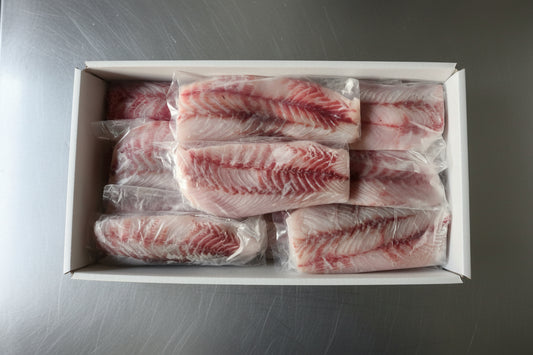
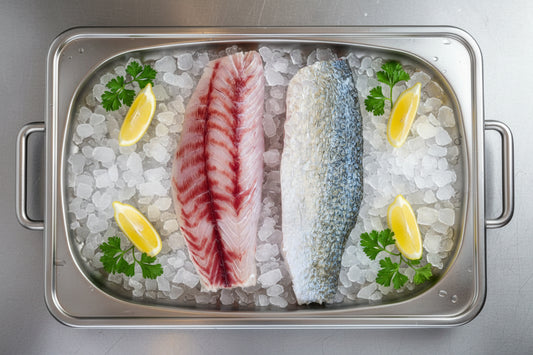
Because the fish is so fresh at the time of freezing, the natural colour stays bright and the smell stays clean. When you open a pack of properly snap-frozen wild-caught barramundi fillets, they should look glossy, with firm flesh and no strong odour. That is what “boat to box” care is all about.
Cold Chain Care: Keeping Fillets Perfect Across Australia
Once the fish is frozen, the job is to keep it that way, without big swings in temperature. Every rise and fall in temperature can create new ice crystals, which can slowly damage the flesh and cause freezer burn.
To protect the fish on its way from the Gulf to Aussie homes, we focus on:
- Blast freezers that chill fillets very fast and evenly
- Insulated packaging that shields the fish from warm air
- Temperature-controlled transport from the processing area to distribution hubs
The fewer times the fish is moved, opened or warmed, the better the quality when you open the box at home. Delivery is timed so you can put your fillets straight into your own freezer. That simple habit, from our end and yours, keeps the fish as close as possible to the moment it left the boat.
How to Store, Thaw and Cook for Peak Freshness
Good handling at home is the last step in keeping that boat-fresh quality. A few simple habits make a big difference.
For storage in your freezer:
- Keep your freezer cold and steady, not packed so tight that air cannot move
- Store fish in the coldest part, usually towards the back, not in the door
- Keep fillets in their original sealed packs until you are ready to use them
When it is time to thaw, gentle is best. Two easy methods work well for busy weeknights in late autumn and winter:
- Overnight in the fridge: Place the sealed fillet on a plate on the lowest shelf and let it thaw slowly.
- Cold-water thaw: Leave the fillet in its sealed pack, submerge it in a bowl of cold water, and change the water occasionally until thawed.
Avoid thawing fish on the bench at room temperature. It might seem faster, but it can affect both food safety and texture.
Once thawed, pat the fillets dry with paper towel before cooking. Dry skin equals better crisping in the pan.
For simple, seasonal meals in May, try:
- Crispy-skin barramundi with roast pumpkin, potatoes and green beans
- A light coconut barramundi curry with autumn veggies like cauliflower and carrot, served with warm rice
- Barramundi baked with lemon, garlic and herbs, then served with steamed broccoli and sweet potato mash
These kinds of dishes let the flavour of the fish shine, without needing complicated sauces or long cooking times.
Bring Gulf-Fresh Barramundi to Your Weeknight Table
When wild fish is respected from the moment it is caught, frozen with care and kept cold all the way to your kitchen, frozen does not mean second best. Properly handled snap-frozen wild-caught barramundi fillets can be fresher, cleaner and easier to cook than many fillets in the “fresh” display.
Having quality barramundi in the freezer makes winter dinners feel calmer and more flexible. You can come home, grab a fillet, thaw it safely, and have a warm, healthy meal on the table without a last-minute rush to the shops. At DragonPearl Seafoods, our family puts a lot of quiet care into every step from boat to box, so you can taste the Gulf of Carpentaria on an ordinary weeknight, straight from your own pan.
Bring Restaurant-Quality Barramundi To Your Kitchen
Elevate your next seafood dish with our premium wild-caught barramundi fillets, carefully prepared for consistent flavour and texture every time. At DragonPearl Seafoods, we source responsibly so you can serve fresh, clean-tasting fish with confidence. If you have questions about sizing, storage or delivery, simply contact us and we will help you choose the right option for your menu or family table.