Where to Buy Threadfin Salmon That Supports Gulf Fishers
Bring the Gulf to Your Table While Backing Fishers
When you buy threadfin salmon, you are choosing more than a fish for dinner. You are also choosing whether you know its story, from the waters where it was caught to the people who brought it ashore.
Our family-operated business shares premium wild-caught King Threadfin Salmon and barramundi from the Gulf of Carpentaria through direct-to-customer seafood boxes. That connection matters to us. The Gulf is remote, productive and deeply important to the fishing families who have worked these waters over many years. Each carefully handled catch carries that heritage with it.
The name Last Water comes from this same respect. It is our tribute to commercial fishers who continue to work responsibly in one of Australia’s most demanding fishing environments. There is grit behind every catch, but there is also pride in knowing the sea, working within the rules and bringing quality seafood home to Australian tables.
Buy Threadfin Salmon Direct From Gulf Fishers
Clear origin information should be high on your list when you buy threadfin salmon. Seafood can pass through long supply chains, and it is easy for the story behind the fish to become unclear along the way. We believe you deserve to know what you are serving and where it came from.
A few simple questions can help you make an informed choice:
- Where was the fish caught?
- Who is connected to the catch?
- How was it processed and handled after landing?
- Can the seller explain how it reached your door?
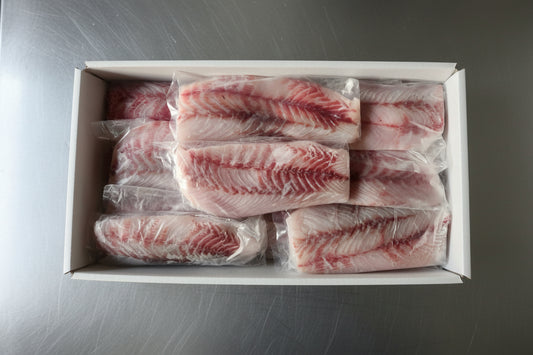
Our King Threadfin Salmon is caught in the Gulf of Carpentaria, then processed and snap-frozen to help hold onto its freshness, texture and flavour. From there, it is packed into seafood boxes and sent directly to customers.
Buying from a business that remains close to the catch gives you a clearer line between the water and your plate. It also means your seafood choice can support Gulf fishing families rather than a supply chain with limited information about origin or handling. For us, traceability is not just a label. It is a way of respecting the fish, the region and the people doing the work.
Know the Difference Between Wild-Caught and Farmed Fish
Wild-caught and farmed fish come from different systems, and both can have a place on Australian tables. The useful question is not which one is always “better”. It is whether you have enough information to choose the seafood that suits your values, taste and expectations.
Wild-caught fish live and feed in their natural environment. Their movement, diet and seasonal conditions are shaped by the waters they live in. Farmed fish are raised in managed aquaculture systems, where conditions are more controlled. Responsible production and clear information matter in either case.
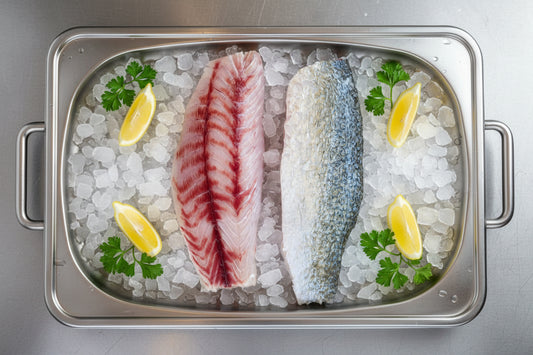
For Gulf-caught King Threadfin Salmon, the connection to place is a big part of what makes it distinctive. The fish live in the coastal waters of the Gulf, where natural conditions change with the seasons. That natural diet and movement contribute to the firm texture and flavour people value in threadfin.
When you buy threadfin salmon with known wild-caught provenance, you gain a closer link to the species and its home waters. You can understand that it was responsibly harvested from the Gulf, handled with care and brought to you by people who know the region. That knowledge adds something meaningful to a simple meal, whether it is a quiet weeknight dinner or a table full of friends.
How Gill Net Fishing Is Managed in the Gulf
Gill net fishing in Queensland’s Gulf of Carpentaria is managed under specific commercial fishing rules. Fishers require a primary commercial fishing licence and the N3 fishery symbol to use set mesh nets in the Gulf. N3 nets are limited to 1,200 metres in total length, with mesh sizes between 100 and 165 millimetres, helping target larger inshore species such as King Threadfin Salmon and barramundi rather than smaller fish.
Commercial operators must also keep approved fishing logbooks that record catch, fishing effort and protected-species interactions. Queensland commercial fishing boats are fitted with vessel tracking units, allowing fisheries managers to verify where and when fishing activity occurs. These records help monitor harvest levels, check compliance with closed areas and provide information used to assess the fishery over time.
Size limits and seasonal closures protect fish before they are taken. King Threadfin Salmon must meet the 60 centimetre minimum legal size, while barramundi must be at least 58 centimetres and no more than 120 centimetres. Barramundi fishing is closed in the Gulf from 7 October to 31 January each year, protecting fish during a key breeding period. Fishers must also stay out of declared closed waters, including areas established to protect nursery habitat, marine animals and sensitive ecosystems.
The gear is only one part of responsible fishing. Nets must be used within strict rules, while fishers are required to minimise harm to protected species and release animals alive where possible. Together, licensing, gear limits, size rules, seasonal closures, location tracking and catch reporting create accountability from the moment a net is set to the time the catch is landed.
Life on the Gulf calls for experience. Tides, weather and fish movements can change quickly, while long distances and remote conditions add another layer of planning. Local knowledge helps fishers read those changes and work carefully within the rules.
For our fishing communities, responsible practice is part of the job every day. It means respecting the water that provides the catch and understanding that the future of Gulf fishing depends on care, compliance and practical knowledge passed through the industry.
Last Water and a Seafood Story Worth Sharing
Last Water honours the people who are still fishing in the Gulf of Carpentaria. The name reflects endurance, respect for the sea and pride in a way of life shaped by the water. Commercial fishing in northern Australia is demanding work, with variable weather, strict compliance requirements and the practical challenges of operating far from major centres. Every catch comes from preparation, skill and commitment.
As October brings the warmer build-up season to northern Australia, Gulf-caught seafood is a natural fit for spring entertaining, weekend barbecues and early festive-season planning. The most useful takeaway is simple: ask where your fish came from, how it was handled and who is connected to the catch. Choosing seafood with a clear story keeps the people, place and care behind it visible at the table.
Choose Wild-Caught Seafood With Confidence
At DragonPearl Seafoods, we make it easier to buy threadfin salmon through our wild-caught fish boxes. Our selections are packed for people who value carefully handled seafood and the working fishery behind every catch. For help choosing a box or finding out what is available, contact us and our team will be glad to assist.