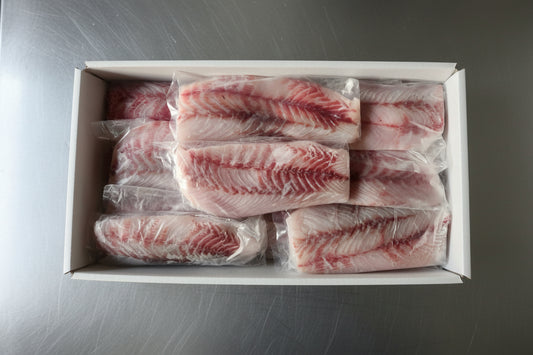
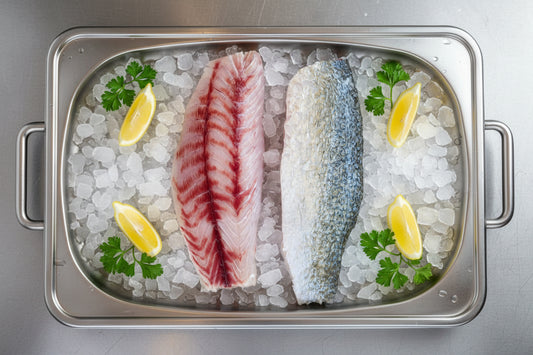
What Catch Limits Mean for a Wild Caught Barramundi Box
Your Wild-Caught Barramundi Box Has a Story
A wild-caught barramundi box is shaped by far more than a successful day on the water. In October, Gulf conditions begin shifting towards the wet season, and fishing plans must account for changing weather, seasonal rules and the breeding needs of barramundi.
For our family operation, every fish reflects years of fisheries management, licence conditions, practical decisions at sea and careful handling after landing. Catch limits may sound restrictive, but they help determine when we can fish, where nets can be set, which fish can be kept and how much Gulf seafood can responsibly reach homes in Cairns.
We work in the Gulf of Carpentaria, catching barramundi and king threadfin salmon, then processing and snap-freezing the catch soon after landing. Through Last Water, we also share the story behind that work: a changing commercial fishing industry, the people still working these remote waters and the rules that help protect their future.
Wild and Farmed Barramundi Take Different Paths
Wild-caught and farmed barramundi can both be part of Australia’s seafood supply, but they start in very different places. Wild barramundi grow in natural waterways and Gulf waters, moving with tides, seasons and food sources. Farmed barramundi are raised in managed systems, such as ponds, tanks or sea pens, where feeding and growing conditions are controlled.
Choosing wild-caught is not about saying one type of fish is always better than another. It is about knowing what you are buying. A wild-caught barramundi box comes from a natural fishery with regulated access, changing conditions and seasonal limits.
That means availability can vary. Weather may delay fishing, a closure may pause access, or conditions may simply not be right for setting nets. Rather than treating that as a problem, we see it as part of the honest nature of wild seafood.
Wild Gulf barramundi may suit people who value:
- A clear connection to the Gulf of Carpentaria
- Fish that lived and fed in a natural environment
- Seafood with seasonal availability
- Careful processing soon after landing
Snap-freezing helps us preserve that quality beyond the fishing day. It gives you the convenience of keeping Gulf-caught seafood ready at home, even when fishing activity is limited by conditions or regulations.
Gill Net Rules Help Safeguard Gulf Waters
Gill net fishing is not a free-for-all. Responsible commercial net fishing depends on fisheries science, enforceable rules, experienced operators and regular review of how the fishery is performing.
The rules that apply to commercial fishing can cover many parts of a trip, including licensed access, defined fishing areas, seasonal closures, gear requirements, net lengths, mesh sizes, catch reporting and procedures for non-target species. Exact arrangements can change between fisheries and seasons, which is why current Queensland fisheries information matters when checking regulations.
On the water, these controls guide our choices before a net is set and after it is retrieved. Mesh and gear rules are intended to improve selectivity. Area and time restrictions can reduce pressure around important habitats and breeding areas. Reporting and handling requirements also create accountability for commercial operators.
Responsible fishing includes paying close attention to wildlife interactions and releasing non-target catch wherever possible. Regulation cannot remove every risk from fishing, but it sets standards and consequences that encourage better practice. For you, that means your seafood is connected to a managed fishery, not an unregulated harvest.
How Catch Controls Shape Every Box
“Catch limits” is a broad term. It can include spawning closures, size rules, area closures, limits on fishing effort, possession arrangements and other controls set by fisheries managers. Each measure is designed to leave enough fish in the system to grow, breed and remain part of a healthy marine environment.
As the wet season draws closer, seasonality becomes especially clear. Barramundi fishing conditions can change quickly, and regulatory settings may affect when and where fishing can happen. We plan around those limits and make weather-based decisions with safety in mind, rather than treating seafood supply as endless.
It is also worth separating recreational rules from commercial management. A recreational bag limit is not the same as the arrangements used for commercial fishing. Commercial operations may work under licences, reporting obligations, gear controls and fishery-wide harvest measures.
A wild-caught barramundi box may only be possible because the fishery was open, the fish met requirements and the conditions allowed responsible fishing. Once landed, we process and snap-freeze the catch to protect quality and help reduce waste.
The result is more than a fillet in a freezer. It is a record of decisions made at every stage:
- Whether weather and sea conditions were safe
- Whether the fishing area was open
- Whether the catch met the rules in place
- Whether the fish met our handling standards
From Gulf Waters to Your Freezer
The trip begins in the Gulf of Carpentaria, where fishing is always dependent on legal access, workable conditions and the realities of remote water. Catch is handled with the person cooking it at home in mind, because quality can be lost quickly when care is not taken early.
Fast processing and snap-freezing allow us to keep the connection between Gulf waters and your kitchen much closer. Instead of relying on a long chain of handling, we prepare the catch soon after landing and make it available in convenient seafood boxes.
Direct seafood box sales matter to us because they create a clearer line between the fishing operation and the people eating the fish. Local delivery in Cairns gives customers access to Gulf seafood with the practical benefits of frozen portions, flexible meal planning and less pressure to use everything at once.
Frozen seafood should not be treated as second-best. When fish is handled well and snap-frozen promptly, it can be a practical way to enjoy a wild harvest while respecting the limits that make that harvest possible.
Last Water and the Gulf Fishing Legacy
Last Water is our tribute to the commercial fishing industry and the people who have worked Gulf waters across generations. The name carries pride, but also realism. Working remote waters calls for knowledge, licences, equipment, patience and the ability to adapt when rules, weather and access change.
The Gulf is not an anonymous source of seafood. It is a working environment shaped by tides, distance, long days at sea and careful decisions. For fishing families like ours, healthy fisheries are not just a slogan. They are tied to the future of crews, communities and the next generation of people who may work these waters.
Respecting closures, adapting to new rules and supporting monitoring are part of keeping that future possible. When you read a seafood label, ask where the fish came from, whether it was wild-caught or farmed, how it was handled and what rules guided its harvest. Catch limits are part of what gives wild Gulf barramundi its seasonality, meaning and chance to remain available in the years ahead.
Bring Wild-Caught Barramundi To Your Table
At DragonPearl Seafoods, we pack each wild-caught barramundi box with care for people who value honest seafood and the story behind it. Our catch reflects the knowledge, patience and responsibility of working on the water. Choose a box that connects your meals to a fishing tradition worth knowing.