How to Build a Crispy-Skin Routine with Skin on Barramundi
Get Golden, Crisp Skin Every Time
Skin-on barramundi can give you a golden, crunchy finish without any complicated chef tricks. For us, the secret is simple: dry skin, a hot pan, steady heat and the patience to leave the fish alone while it cooks.
October in Cairns is made for easy seafood dinners, whether you are cooking outside or putting together a relaxed meal before the wetter months roll in. Our snap-frozen, wild-caught Gulf of Carpentaria barramundi keeps premium fish close at hand, ready when you want a quick weeknight meal or something special for spring entertaining.
Prep Skin-on Barramundi for Pan Success
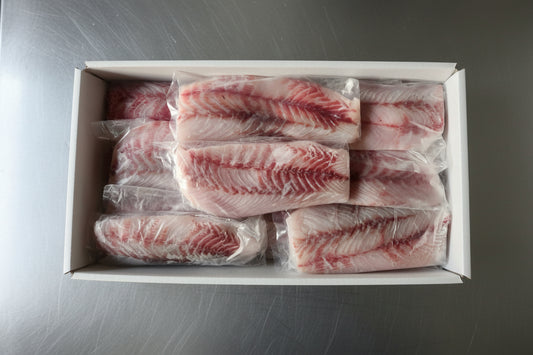
Great crisp skin starts before the pan is even on the stove. Thaw skin-on barramundi overnight in the refrigerator, ideally in its sealed packaging. Keeping seafood out of room-temperature conditions helps it thaw more safely and evenly.
Just before cooking, unwrap the fillet and give the skin plenty of attention. Paper towel is your best friend here. Press it over the skin until the surface feels dry, then check for any remaining scales or pin bones. Season the fish right before it goes into the pan, rather than leaving salt sitting on the skin for too long.
Moisture gets in the way of a proper crisp finish. Water cools the pan and creates steam, which leaves skin soft instead of golden. A dry surface, on the other hand, can brown cleanly while the natural fat beneath the skin renders.
For a simple pre-pan routine, we recommend:
- Thawing the fillet overnight in the refrigerator
- Patting the skin very dry with paper towel
- Checking for scales and pin bones
- Seasoning just before cooking
- Having your oil, fish slice and serving plate ready first
Snap-freezing soon after catch is a practical way to preserve fish quality, but thawing and drying still shape what happens in your pan. Give those steps a little care and the rest becomes much easier.
Follow the Hot Pan Routine for Crisp Skin
A heavy-based frying pan gives you the best control. Set it over medium-high heat and let it warm properly before adding a small amount of high-smoke-point oil. When the oil is hot, lower the barramundi into the pan skin-side down, placing it away from your body to avoid splatter.
Use a fish slice to press the fillet gently for the first 10 to 20 seconds. This keeps the skin flat against the pan and stops the edges from curling. It is a light hold, not a squash, because barramundi flesh is delicate.
The hard part is doing less. Leave the fish skin-side down for most of its cooking time, allowing the heat to travel steadily through the flesh. You may only need a brief finish on the flesh side, if any, once the fish is nearly cooked.
Rather than chasing an exact timer, watch for these signs:
- The skin is golden, firm and crisp
- The flesh turns opaque from the bottom upward
- The fillet releases more easily from the pan
- The fish feels tender and flakes with gentle pressure
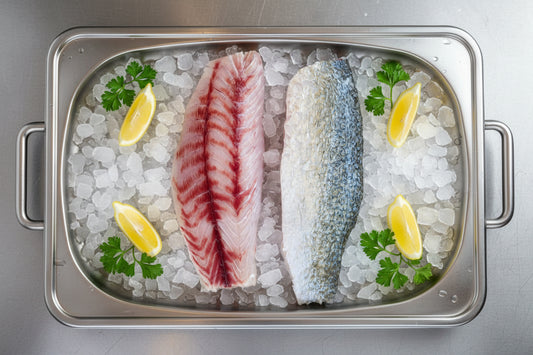
Finish simply so the barramundi stays the hero. Lemon, finger lime, chopped herbs, chilli, garlic butter or a light spring salad all work beautifully beside crisp skin.
Understand Wild-Caught and Farmed Barramundi
Wild-caught and farmed barramundi both have a place in Australian kitchens, but they come from different systems. Wild fish live and feed naturally in their environment. Farmed fish are raised through aquaculture, where feed and growing conditions are managed.
Neither label automatically tells the whole story. Flavour, texture, availability and traceability can vary, and responsibly produced seafood can come from more than one source. What matters is knowing enough about the fish to make an informed choice for your table.
Our barramundi is wild-caught in the Gulf of Carpentaria and snap-frozen, bringing a premium regional catch from boat to freezer. That clear origin is part of why we care so much about how the fish is handled and cooked.
Natural variation is normal with wild-caught fish. One fillet may be slightly thicker, another may have a different shape or fat content. Instead of expecting every piece to behave exactly alike, watch the skin, colour and texture as it cooks. Those cues will tell you more than a timer ever can.
See How Gill-Net Rules Support Gulf Fisheries
Gill-net fishing is not sustainable simply because of the gear used. Long-term care of fisheries depends on responsible operators, clear rules, compliance and ongoing monitoring. We believe it is important to speak plainly about that, because seafood stories should include both the catch and the management behind it.
In regulated commercial net fisheries, controls can include:
- Fishing licences and defined fishing areas
- Seasonal closures and limits on fishing effort
- Rules around net specifications
- Size, possession and catch-reporting requirements
- Protected-species requirements and monitoring programs
These measures can help manage pressure on species such as barramundi and king threadfin salmon. Seasonal closures, for example, may protect breeding periods, juvenile fish and sensitive habitats. Limits and reporting also help fisheries managers understand what is being taken from northern waters.
Rules can change, so we encourage anyone interested in fisheries management to check current requirements through the relevant authorities. October is a useful time to think about seasonal management, because northern fishing conditions and closures can shape what is available in the months ahead.
Bring the Last Water Story to Your Table
Last Water is our tribute to the commercial fishing families, hard-earned knowledge and working culture of the Gulf of Carpentaria. Fewer people are carrying this demanding way of life forward, and we want to recognise the responsibility that comes with harvesting from northern waters. As a family-operated business, we bring wild Gulf seafood to local customers while keeping that fishing heritage close to the heart of what we do.
For your next skin-on barramundi meal, keep the routine simple: thaw safely, dry the skin well, heat the pan properly and let the fillet cook without fussing over it. When you know where your fish comes from and cook it with care, crisp skin becomes more than a good finish, it becomes part of the story on your plate.
Bring Gulf-Caught Barramundi To Your Table
Order our skin-on barramundi for a versatile fillet that suits weeknight dinners and shared meals alike. At DragonPearl Seafoods, we are proud to support the stories and livelihoods behind Australia’s commercial fishing industry. If you have questions about our fish or sourcing, contact us and our team will be glad to help.