Day-in-the-Life Aboard a Gill Net Boat: Watch System to Icing Workflow
Dawn Light, Diesel Hums
Out here in the Gulf of Carpentaria, a box of fish starts long before it hits a pan. It starts in the blue-grey light just before sunrise, when the air is dry and cool and the Gulf is calm and glassy. This is when we get our best work done, both for the fish and for the future of the fishery.
On a mid-winter morning, the generator hums, the kettle rattles, and the deck is already wet. Someone is checking the net bins, someone is watching the radar, someone is packing ice. That quiet rhythm is what turns wild barramundi and king threadfin salmon into clean, beautiful fillets.
Every day has the same backbone: safe watches, smart weather calls, careful net work, quick bycatch decisions, and tight handling from net to ice. When people talk about sustainably caught seafood, this is what it looks like in real life, not just on a label.
At the same time, we know more people are asking, “How is this different from farmed fish?” Farmed seafood is raised in pens or ponds, usually on a formulated feed, under controlled conditions. Wild-caught fish like ours live free in open water, following natural migrations and feeding on what the Gulf provides. Farmed fish can offer consistent supply, but it depends on feed inputs, pen management, and waste controls. Wild fish are limited by nature and by strict catch rules. Our job is to work inside those limits so wild and farmed can both play a role in putting seafood on the table.
Night Watches, Tide Charts and Safety Calls
On a gill-net boat, sleep comes in pieces. We split the night into watches so there is always someone awake, thinking clearly and keeping an eye on the Gulf.
A simple night might look like this:
- One crew in the wheelhouse, checking GPS, radar and tide charts
- One crew on deck, watching the net line, lights and any passing traffic
- The rest off-watch, boots at the bunk end, ready to move if needed
We keep watches short enough so no one gets dull. Tired people make bad calls, and bad calls cost fish, gear and sometimes lives. So we plan our sets around tides and currents, but also around human limits.
Before we even leave port, we run through safety checks. Lifejackets where they should be, radios tested, flares and first aid checked, engine room walked through. Regulations shape a lot of this:
- Mandatory radio schedules and check-ins with authorities
- Rules around fatigue and minimum rest time for crew
- Maximum gear and load limits that stop overloaded decks and unsafe setups
These rules are written into state and federal fisheries and maritime law. They are there to protect people, but they also protect the fishery by making sure boats are operated responsibly and can safely follow the catch and gear rules that sit on top.
Dry season mornings can look calm, but we still read weather and tide reports like a second language. Squalls, strong wind against tide, fast currents around river mouths; these all change if we fish or if we sit tight. Sometimes the safest and smartest move is to wait, even when the clock is ticking on our trip.
Setting a Gill Net with Care, Not Just Catch
When it is time to set the net, the whole boat shifts gear. The Gulf is wide, but we do not just drop the net anywhere. We work within marked legal areas and mesh and length rules that are built to protect the stock.
Years on the water sit beside those rules in our heads. Choosing ground is a mix of:
- Known barramundi and king threadfin travel paths
- Legal zones and closed areas on the chart
- Tides, water clarity and bottom type
We lay the net so it fishes clean, with the right tension and the right mesh size to target our species. The deck turns into a small dance: one on the roller, one on the float line, one handling anchors and buoys. Everyone has a job, and if one person is slow or rough, the whole set suffers.
Gill-net fishing is selective when it is done within tight rules. Mesh size and net length limits set by management agencies mean we are aiming for legal fish and letting smaller ones grow on. Seasonal closures and area closures keep key spawning and nursery grounds off-limits when fish need them most. Trip limits and quota caps keep total catch within scientifically assessed sustainable levels.
Those are the regulations and requirements that turn gill netting from just a catching method into a managed, sustainable fishery. We cannot fish where we want, when we want, or as much as we want. We work under:
- Mesh size rules that reduce the capture of undersized fish
- Net length and drop limits so gear does not blanket whole areas
- Compulsory logbooks and catch reporting
- Closed seasons and areas to protect breeding fish and sensitive habitats
- Strict rules on handling protected species
These controls are checked at sea and on shore. Our records, logbooks and gear are inspected. That oversight is part of why gill-net fishing here can be certified and recognised as sustainable.
Gill nets under these rules are very different from packing fish into pens. Farmed fish are stocked at set densities and depend on human-managed feed and water quality. Gill-net fish are wild animals that have lived in the open Gulf, filtered by seasons, tides and years of growth. You see that difference not just in the story, but in the biology and behaviour that sit behind the fillet.
Hauling, Bycatch Decisions, and Respect on the Deck
Hauling is the hard, fast part of the day. As each panel comes over the roller, we work almost on instinct, but never on autopilot. Eyes scan the mesh, hands move on the ropes, and voices call out species and sizes.
We are watching for:
- Target fish in top condition
- Undersized fish that must go back
- Non-target and protected species that need careful release
Bycatch handling is where respect really shows. If a non-target fish is alive, we keep it wet, clear the mesh quickly and get it back over the side. Protected species rules are strict, and we take them seriously. Quick, gentle handling gives that animal the best chance to swim off healthy.
At the same time, we are always checking size and rules on our catch. Anything that does not meet legal size goes back. Every haul feeds into our records: date, area, species, sizes. That data does not just sit in a book. It feeds into stock assessments and management reviews, showing where fish are strong, where they are quiet, and backing the story that this is truly sustainably caught seafood, not just a nice phrase.
From Ice Slurry to Snap-Frozen Fillet Boxes
As soon as a fish clears the net, the clock starts on quality. We stun and dispatch quickly, then bleed and get the fish into an ice slurry within minutes. Cold saltwater and ice wrap the fish, dropping the temperature fast and locking in texture.
On board, our workflow is simple and strict:
- Net, then humane dispatch
- Bleed into clean tubs
- Straight into slurry, then sorted into ice-packed bins
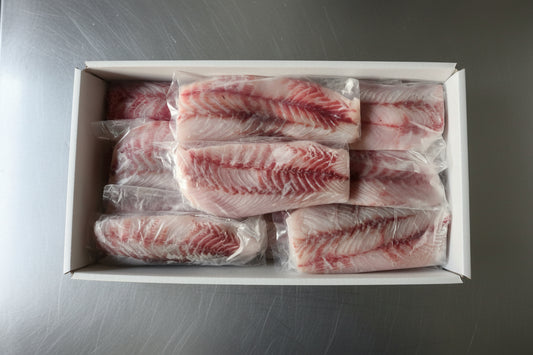
Back on shore, that care continues. Filleting is done to clear standards: clean cuts, no bruising, careful trimming. Then we snap-freeze so the fish holds that just-caught quality until it reaches a home kitchen or a stall at Rusty’s Markets.
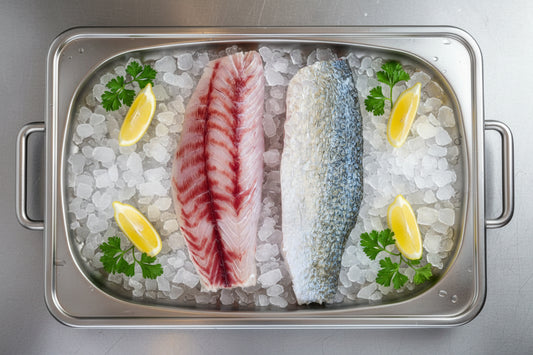
Wild barramundi and king threadfin have a different feel to many farmed fish. The flesh is firm, with clean white lines and natural fat that has built up slowly, not on a rapid-feed diet.
On the plate, that often shows as:
- A natural, mild flavour shaped by wild diet and clean water
- Firmer flakes that still stay moist
- A pleasant, clean finish instead of an oily aftertaste
Farmed fish, raised on formulated feeds, can offer a richer or more uniform taste and steady year-round supply. But feed composition, stocking density and water management can influence texture and flavour, sometimes leading to softer flesh or stronger aftertastes. Both systems can be well managed or poorly managed. What matters to us is being transparent: when you choose our fish, you are choosing a wild, regulated fishery with traceable practices from net to ice.
People who care about where their food comes from often tell us they can taste the difference when the fish has lived wild in clear Gulf water and been handled under strict rules from the moment it leaves the sea.
Among the Last Boats, Living the Last Water Story
Out here, you notice how quiet some old wharves have become. Fewer boats, fewer lights on the horizon at night, more stories that start with “remember when.”
Being among the last commercial gill-net crews in the Gulf feels heavy some days and proud on others. We remember busy seasons when the harbour was crowded, when older skippers argued over tides and told us which sandbanks would catch us if we were careless. One by one, boats have tied up or moved on. Licences have been bought out, and some families have stepped away from the work they did for generations.
We still carry those voices with us, the hands that showed us how to mend a mesh, the people who drilled into us that you never waste a fish and you always respect the water. Each trip now feels more like a chapter in a long story that is nearing its end.
That is where Last Water comes from for us. It is a nod to:
- The last runs of old boats that have already tied up
- The older crews who taught us how to work clean and careful
- The idea that if this is the last water we fish, we do it right
Last Water is our way of putting a name to that feeling. It is a tribute to the working fishing industry that shaped the Gulf: the co-ops that used to hum all night, the repair sheds full of nets and stories, the families who timed school holidays around seasons and openings.
When we put Last Water on a box or a piece of gear, we are tipping our hat to all of that, not just our own boat, but the whole chain of people who made a living from these tides. It says the fishery meant something, and still does, even as the fleet gets smaller.
Our Last Water gear and story are our way of saying the fleet mattered, and still matters. It is a tribute to the working history of the Gulf, to families who built their lives around tides and seasons, and to the wider fishing industry that fed towns, markets and communities. Every fillet box we pack carries a bit of that history along with the fish.
When someone chooses regulated, sustainably caught wild seafood from the Gulf over something anonymous, they are keeping that working rhythm alive. Wild-caught and farmed seafood will both have a place on future plates, but choosing traceable wild fish from a well-managed gill-net fishery helps make sure this story does not just fade away.
From the wheelhouse in the dark to the sizzle in a winter kitchen, it is all connected, and we feel that every time we start the engine at dawn.
Enjoy Fresh, Sustainable Seafood Straight From The Source
Choose DragonPearl Seafoods for premium, traceable seafood that respects our oceans and supports local communities. Explore our range of sustainably caught seafood and stock your kitchen with quality you can taste and trust. If you have questions about where your catch comes from or need help with an order, please contact us and we will be happy to help.