Decoding Wild-Caught vs. Farmed Fish for Truly Sustainable Seafood
Why Choosing the Right Fish Matters for Our Future
Planning a winter seafood feast should feel simple. You grab some barramundi for the barbecue or a king threadfin for a big curry, then get home and enjoy it with family or friends. Instead, many of us end up stuck in front of the freezer or fish counter, staring at labels that say wild-caught, farmed, sustainable, or responsibly sourced and feeling unsure what any of it really means.
Those little words shape more than what ends up on your plate. They affect our oceans, the health of fish stocks, coastal towns like Karumba, and whether there will still be wild barramundi for the next generation. When we talk about sustainably caught seafood, we are really talking about how we care for both sea and people at the same time.
We fish for wild barramundi and king threadfin salmon in the Gulf of Carpentaria, and through our Last Water brand, we see these questions up close. We want to share what we have learned on the water, so you can feel confident about the choices you make at the shop or online.
Wild-Caught vs. Farmed Fish Explained Simply
At its heart, the difference is simple. Wild-caught fish live free in natural waters. In the Gulf, that means fish shaped by tides, rain, river flows, and long sandbanks. They hunt their own food and move with the seasons. Farmed fish are raised more like livestock, kept in pens or ponds and fed on a planned diet.
Each option has benefits and trade-offs:
- Wild-caught fish often have firmer flesh and stronger natural flavour
- They can be seasonal, depending on weather and closures
- Farmed fish can give a steady, year-round supply
- The impact of farms can change a lot depending on how and where they are run
One big myth is that wild-caught is always good and farmed is always bad. It is not that simple. The real difference comes from how the fishery or farm is managed. Questions like these matter most:
- Are there clear rules and limits so stocks stay healthy?
- Is habitat, like seagrass and river mouths, protected?
- Is bycatch kept low and handled carefully?
- Are local communities respected and included?
Good wild fishing and good aquaculture both depend on strong rules, honest reporting, and a clear chain from water to plate.
What Makes Gill-Net Barramundi Truly Sustainable
Gill-net fishing can sound harsh if you only know it from headlines, but the way it works in the Gulf is more precise than many people think. In simple terms, a gill net is one long wall of mesh set in a known area where target fish travel. Barramundi and king threadfin swim into the net, and their gills catch in the mesh. The net is then hauled, and the catch is cleared.
Skippers make a lot of small choices to keep this as clean and focused as possible. Things like:
- Mesh size, so smaller fish slide through and bigger fish are the ones taken
- Where the net is set, away from sensitive areas
- How long it is left in the water, so fish are fresh and bycatch is reduced
- Reading tides and fish behaviour, so the net meets the right species at the right time
In Australian waters, gill-net fishing does not run on trust alone. It sits under strict rules that cover:
- Limited licences and defined fishing zones
- Seasonal closures to protect spawning runs
- Gear rules, including mesh size and net length
- Logbook reporting and tracking of vessel movements
- Independent science to guide how much can be caught
For our family, sustainable is not a label, it is simply how we are allowed to work. We fish selected areas of the Gulf, handle each fish quickly, and snap-freeze at peak freshness. Our Last Water brand traces each fillet back to the boat, the trip, and the waters it came from, so what you cook has a clear story behind it.
Inside the Life of One of the Gulf’s Last Net Fleets
A fishing day out of Karumba often starts before sunrise. The air is cool, the river is quiet, and the first thing we check is the tide and wind. That shapes where we head, which nets we use, and how the day will go. Once on the grounds, nets are set by hand, then hauled again and again as the light changes and the fish move.
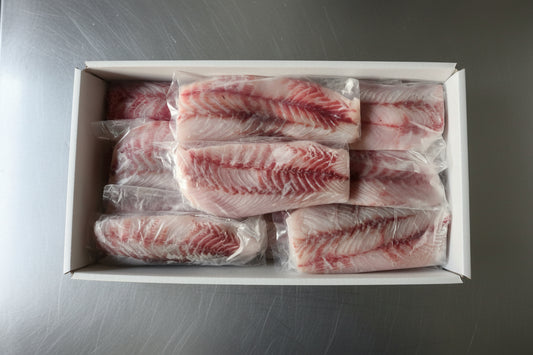
Every fish that comes aboard is handled fast. We bleed, ice, and stack the catch within minutes so it stays in perfect condition. There is real pride in lining up boxes of wild Gulf barramundi and king threadfin, knowing exactly where each one was taken and how hard the crew worked for it.
Over the years, rules have tightened and fleets have shrunk. Policy changes, buyouts, and shifting public views on nets have left only a small number of families working like this in the Gulf. That is where the name Last Water comes from. It is a quiet tribute to the last waters worked by these net boats, and to the skills and stories that live on deck. Each season feels precious, because we know some small operators may not be back the next one.
How Science and Regulation Shape Sustainable Catches
Sustainable wild harvest is not a guess. Fisheries managers use tools like stock assessments, tagging programs, and catch records for barramundi and king threadfin to understand how many fish are out there and how they are moving. This helps set total catches and guides when and where we are allowed to fish.
On the water, that science turns into clear rules such as:
- Size limits so fish can breed at least once before they are caught
- Mesh sizes that let smaller fish push through the net
- Closed areas around river mouths and sensitive habitats
- Set seasons that keep pressure off key spawning times
- Reporting rules that track catch in close to real time
We work inside that system. Some years that means leaving good fish alone because a closure kicks in or weather makes it unsafe to operate. For us, sustainably caught seafood is not a buzzword, it is simply the only way our kids and their kids might still have a working fishing life to choose from.
How to Choose Sustainably Caught Seafood at Home
So how do you support all of this when you are standing at the freezer, planning a winter meal? A few simple label checks can make a big difference.
- Country of origin, and choose wild-caught Australian where you can
- Clear species names, like barramundi or king threadfin salmon
- Any hint of catch method and region, such as Gulf of Carpentaria gill-net fishing
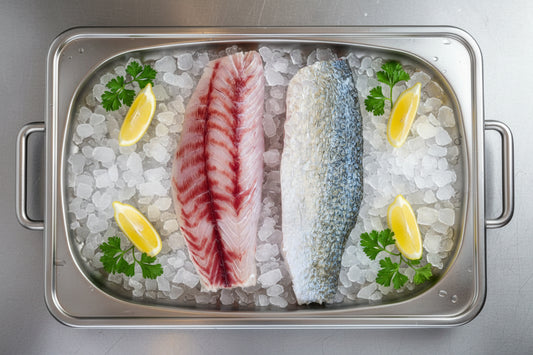
Snap-frozen wild fillets hold up beautifully in hearty cool-weather meals. Barramundi works well in:
- Mild coconut curries with winter veg
- Oven tray bakes with potatoes and lemon
- Simple pan-fried fillets with mash and greens
King threadfin is great in thicker dishes like:
- Chowders with corn and bacon
- Fish pies under a golden potato top
- Rich tomato-based stews with crusty bread
Do not be shy about asking questions at your local shop or favourite pub. Ask where the fish is from, if it is wild or farmed, and what method was used. When you can, buy direct from fishers that share clear details about their catch. Every time you choose transparently and sustainably caught seafood, you help keep wild fish, working boats, and coastal towns like ours part of Australia’s future.
Bring Fresher, Sustainable Seafood Straight To Your Kitchen
If you are ready to enjoy seafood that respects our oceans and supports responsible fishing, explore our range of sustainably caught seafood curated by DragonPearl Seafoods. Every catch is carefully selected so you can serve premium quality with a clear conscience. If you have questions about specific species, origins or ordering at scale, you can contact us and we will help you choose what suits your menu and values.