Beyond the Fillet: What Makes Wild-Caught Seafood Boxes Truly Sustainable
Choosing Seafood That Is Better for You and the Sea
Good seafood should taste clean, feel good in your body, and sit right in your gut from an ethics point of view. When winter settles over Australia in July and the nights get longer, many of us start planning hearty meals at home, from simple pan-fried fillets to big family feasts. It is natural to want seafood that is both comforting and responsible, and to want it to arrive at the door ready for the freezer.
Not all fish is the same, though. Where and how it is caught changes everything, from flavour and texture to the impact on oceans and small towns. Wild-caught seafood boxes from responsible Australian fisheries can support healthy seas, real regional jobs, and better meals on your plate.
Up here in Karumba on the Gulf of Carpentaria, we work as part of a small, tightly regulated commercial fleet. Through our Last Water brand, we offer a direct line from working boat to family freezer, so people can know who caught their fish, and where that fish called home before it reached their kitchen.
Wild-Caught vs Farmed Seafood Explained Simply
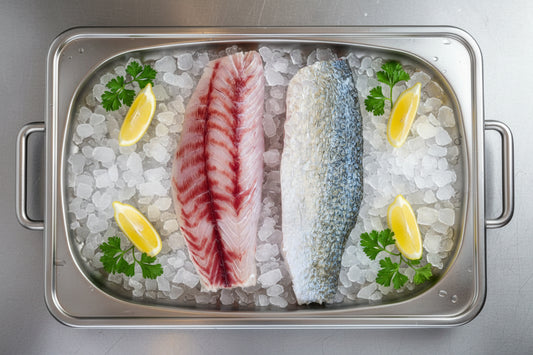
Wild fish grow in rivers, estuaries and open ocean. They chase bait, hide in snags, ride the tides and feed on what the local environment provides. That natural lifestyle shows up in the fillet, especially in fish like barramundi and king threadfin salmon. The flavour has character, the flesh can change with seasons, and each fillet tells a small story about the water it came from.
Farmed fish are raised in pens or ponds on a set diet. This can make supply more steady and size more uniform, but it is a very different life. The texture, fat lines and taste often reflect feed pellets and controlled conditions rather than wild tides and baitfish.
When it comes to the environment, the real picture is not as simple as saying wild is good and farmed is bad. Well-managed wild fisheries rely on keeping the ecosystem healthy. That means:
- Strict catch limits
- Closed seasons
- Protected areas
- Careful watch on stock levels
Some forms of aquaculture can work well, but when fish farming is not run carefully it can create issues like waste build-up, disease spread, chemical use and fish escaping into local waters.
A few common myths are worth clearing up:
- “Farmed is always sustainable”. Not true; it depends on how each farm is run
- “Wild is always better”. Also not true; some wild fisheries overseas are poorly managed
- “Labels tell the full story”. Only if they talk clearly about where and how the fish was produced
The key is traceability, strong rules, and people out on the water or on the farm who actually care about doing the right thing.
What Makes Wild-Caught Seafood Boxes Truly Sustainable
Wild-caught seafood boxes can be more than just a random bundle of fillets. When they are packed close to where the fish is caught, and shipped straight from there, the whole chain can work better for the sea and for families at home.
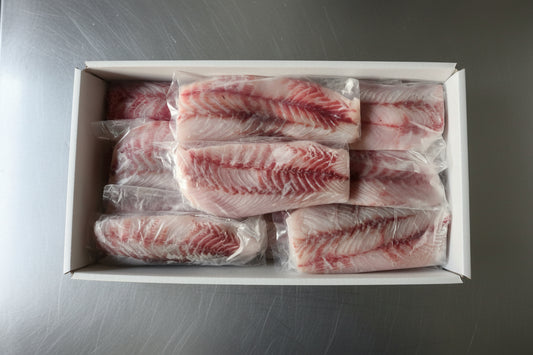
In our own work, we keep the supply chain short. Fish are harvested on our boat in the Gulf, brought back to Karumba, processed and snap-frozen at peak freshness. From there, boxes go direct to customers. Less handling can mean:
- Less waste from spoilage
- Fewer middle steps where quality can slip
- A clearer story about where the fish has been
Product stewardship also matters. Using as much of each fish as possible respects the catch and the work that went into it. That includes careful filleting and offering options like skin-on or bone-in so people can cook the way they like, without throwing away good eating.
We also pay attention to how the fish is packed. Biodegradable or recyclable packaging lets the box do its job without leaving a long trail of rubbish behind. Small choices like this add up across a season.
Most of all, we believe sustainability means being open. Clear labels, catch details and QR codes let people see who caught the fish, where, how and when. That way, wild-caught seafood boxes become values-led choices, not just anonymous fillets that could have come from anywhere.
How Gill-Net Fishing Works When It Is Done Right
Gill nets can sound scary if you only hear about them in bad news stories. In reality, when used under tight rules, they are a targeted tool. A gill net is a wall of netting held in place in the water. Fish swim into it and are held gently by the mesh.
In the Gulf of Carpentaria, gill nets used for barramundi and king threadfin salmon are set with care. Responsible operators:
- Choose specific mesh sizes so the right size fish are caught
- Work at targeted depths where their main species feed
- Use short soak times so the nets are not left unwatched
There are several layers of rules that sit over this. These include limited licences, seasonal closures, gear limits, area restrictions, logbook reporting and compliance checks. All of this decides when and where boats can work, and how much they can take.
People often worry about bycatch or ghost nets. That concern is fair, and it is exactly why responsible operators treat gear like a tool, not a throwaway item. We:
- Check nets by hand and as often as allowed
- Fix holes and keep gear tight so it fishes cleanly
- Avoid sensitive habitats like turtle nesting areas or known dugong spots
Gill-netting under strict Australian rules is very different from loose nets left drifting in other parts of the world. When it is done right, it lets small operators work carefully and keep pressure on a few key species at safe levels.
Among the Last Working Boats and the Meaning of Last Water
Life on a small commercial fishing boat is not glamorous. We launch in the dark, feel the cold bite of the dry season on our faces and read the tides from years of watching the same channels. Nets come in hand over hand, fish are sorted in the half-light, and knowledge is passed along on the deck, not in a classroom.
Over time, the number of licences in the Gulf has dropped. Old sheds sit quiet. Wharves that once felt crowded now have long gaps between boats. Being among the last working boats in a place like Karumba can feel like standing at the edge of a chapter that is slowly closing.
That feeling is at the heart of our Last Water brand. The name nods to the final runs of a shrinking fleet, the last working tides for many boats, and the deep wish to honour the people who spent their lives on these waters. The designs on our apparel are inspired by real gear and real scenes: old nets, weathered hulls, long Gulf horizons at sunrise.
For many people, wearing Last Water is a quiet way to say they care about responsible wild fishing and do not want that culture to just fade away. It carries both sadness for what has been lost and a promise to keep fishing carefully while there is still time. When someone chooses wild-caught seafood boxes from a small Gulf operator, they help keep a working harbour alive, support local jobs and keep hard-won skills in the hands of real families, not just in history books.
Bring Restaurant-Quality Wild Seafood Straight To Your Kitchen
Experience the difference that truly fresh, traceable seafood makes with DragonPearl Seafoods. Choose from our curated wild-caught seafood boxes and stock your freezer with premium, responsibly sourced fillets ready for any recipe. If you have questions about portions, delivery, or the best box for your household, simply contact us and we will help you get sorted.