Future-Proofing Wild Seafood Boxes in a Farmed-Fish World
Wild Seafood Boxes in a Farmed-Fish Future
Most Aussie shoppers now see farmed fish in nearly every fridge and freezer in shops. It is easy to grab, it looks neat in a tray, and it often turns up in meal kits. More people are starting to ask simple questions: Where did this fish grow? What was it fed? Who actually caught it?
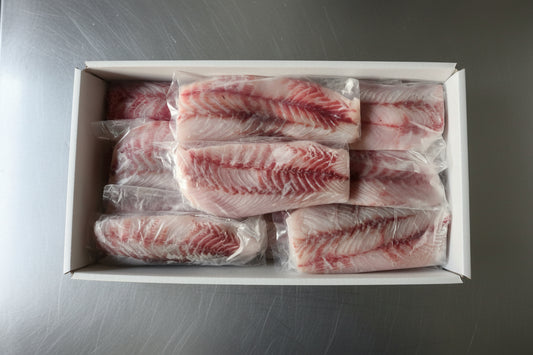
That is where wild-caught seafood boxes come in. Future-proofing wild fish is not just about holding on to a nice story. It is about keeping real flavour, natural nutrition, and a living fishing culture alive while the world moves hard toward farmed options. Our focus is on wild barramundi and king threadfin salmon from the Gulf of Carpentaria, packed as snap-frozen fillet-boxes and sent straight to home cooks who care about what is on the plate.
We believe wild and farmed can both have a place on Aussie tables. Our role is to help people understand how they differ, how each is managed, and why well-managed wild fisheries still matter.
What Makes Wild-Caught Seafood Boxes Different
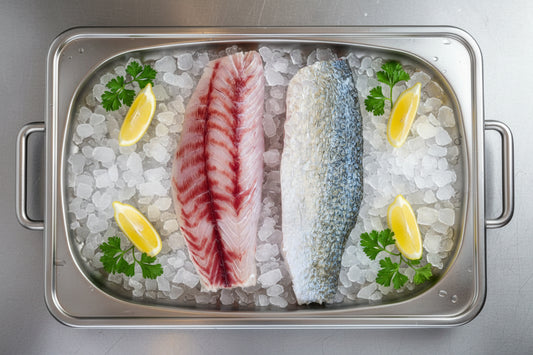
Wild barramundi and king threadfin salmon live full, natural lives. They move huge distances across the Gulf, feed on prawns, baitfish, and crabs, and ride the big wet season flows in and out of river mouths. That active life in clean saltwater shapes the fillets. You get firm, moist flesh with character that holds together in the pan or on the barbecue.
Farmed fish are raised in ponds, tanks or sea pens under controlled conditions. They are generally fed formulated pellets and managed for steady growth and supply. That different life can mean differences in:
- Texture, sometimes softer or more uniform
- Flavour, often milder and more consistent
- Mouthfeel, including how the fat sits in the flesh
Wild-caught seafood boxes come from fish that have hunted and worked for their food. Their bodies build lean, strong muscle and natural fat in all the right places. When we snap-freeze fillets soon after processing, we lock in that fresh-caught state. Compared with chilled fish that travels for days, fast freezing helps protect:
- Delicate omega-3 oils
- Clean, ocean-driven flavour
- Firm bite and natural colour
So you are not just getting convenience in a box. You are keeping access to wild fish that reflect the place they come from.
How Sustainable Gill Net Fishing Really Works
Gill nets can sound concerning if you only hear the word without the details. In practice, when used under tight rules, they are a targeted tool. A gill-net is a curtain of mesh that hangs in the water. Fish of a certain size swim in, their gills catch gently in the mesh, and they are held until the crew haul the net.
The key to doing this responsibly is how and where the net is used, and the rules that sit around it. Responsible gill-net fishing in the Gulf focuses on:
- Carefully chosen mesh sizes to target legal-sized barra and king threadfin
- Set times that avoid over-long soak periods
- Avoiding areas where protected species are likely to pass
Here in Queensland, gill-net fishing is managed under state fisheries regulations that are designed to keep stocks healthy. These include:
- Licence controls and limited entry, so only a set number of commercial operators can fish
- Seasonal closures during key breeding times for barramundi and other species
- Gear restrictions, such as limits on net length, mesh size and how nets can be set
- Spatial zoning that sets aside no-take areas, nursery grounds and cultural sites
- Detailed logbook catch reporting and monitoring, which helps managers track trends over time
These rules are reviewed over time using scientific advice and stock assessments, with the goal of keeping fishing pressure at sustainable levels.
On the water, the way we handle fish matters just as much as the rules. Our approach with Last Water is based on:
- Limited days at sea so we never chase volume at any cost
- Regular net checks and release of non-target species in the best possible condition
- Fast processing and freezing to respect every fish we land
- Staying clear of no-take zones and areas that hold cultural importance
That is how gill-net fishing can be both productive and responsible: through clear regulations, active management, and people who care about the next season as much as the next load.
Last Water and the Vanishing Gulf Fishing Fleet
Our work in the Gulf of Carpentaria is not just a business, it is family. Generations have learned the tides, the colour of the water, the smell of a change in wind, and the way barra will shift when the first storms build. Early starts, long runs, rough channels, and quiet moments at anchor are simply part of life.
The name Last Water carries a heavy meaning for us. It is our way of honouring the shrinking commercial fleet across the Gulf and paying tribute to the fishing industry that has supported coastal communities for decades. With government buybacks of licences and more closures, there are fewer and fewer boats working these waters. Each time a boat leaves for good, we lose:
- Local jobs tied to fishing, fuel, ice and repairs
- Working ports that give life to small coastal towns
- Real-world knowledge about fish behaviour, seasons and habitat
When those boats go, the stories, skills and gut feel that guide good fishing go with them. Last Water is a reminder that we might be some of the last to work this coast in the old way, and that what we do now will shape whether wild Gulf fish are still part of Aussie plates in years to come.
For us, Last Water stands for all the skippers, crews and families who have read these waters for generations. It is a tribute to their work, their resilience and their care for the stocks they depend on.
Protecting Wild Fish in a Warming, Farm-Focused World
The Gulf is changing. Warmer water, strange wet seasons, and shifting river flows all affect where barramundi and king threadfin feed, spawn and move. Some people see part of the answer in farmed fish, grown in more controlled setups on land or in pens. Aquaculture can provide steady supply and take pressure off some wild stocks when it is well managed.
There is also another path, where well-managed wild fishing sits beside conservation and aquaculture. Wild fisheries do not need feed made from crops or other fish. They do not use land, and they do not draw on freshwater to grow stock. When rules are strong and followed, wild-caught protein can have a light footprint compared with some farmed options that bring in feed, produce effluent, or rely on heavy infrastructure.
Understanding these differences helps shoppers make informed choices, rather than seeing wild and farmed as all-or-nothing options.
Our wild-caught seafood boxes help in a few simple ways:
- We focus on peak-season fish in good condition
- We freeze fillets quickly, so they last without spoilage
- We make use of the whole landed fish, so less is wasted
This means the effort and care that go into catching each barra or king threadfin are respected all the way through to your kitchen.
Choosing Wild-Caught Seafood Boxes That Matter
For home cooks who want to support wild fish in a farmed-fish world, the power is in small choices. When you pick up a fillet or click on a seafood box, you can ask a few easy questions:
- Where was this fish caught or grown?
- Is it wild-caught or farmed?
- What method was used to catch it, and how is that method managed?
- Can I trace it back to a real place and people?
Choosing wild-caught seafood boxes from small, traceable producers helps keep working boats on the water and rewards operators who follow the rules and invest in responsible gear and handling.
When you choose Last Water barramundi or king threadfin, you are backing sustainable, regulated gill-net fishing in the Gulf and recognising the generations of knowledge behind each fillet. You are also helping to keep a living fishing culture, not just a product, on Aussie tables.
Plan your spring and summer meals around wild fish that carry a real story. Share with family and friends how that fillet got from the Gulf to the grill, and why the last working boats in the north are worth standing up for. By staying connected with DragonPearl Seafoods and the changing seasons in the Gulf, you help make sure that "Last Water" remains a tribute to a strong, ongoing fishing industry, not a farewell.
Enjoy Restaurant-Quality Seafood Delivered To Your Door
Bring the taste of the ocean straight to your kitchen with our carefully curated wild-caught seafood boxes, packed for freshness and flavour. At DragonPearl Seafoods, we source responsibly so you can feel confident about what you are serving your family and friends. If you have any questions about portions, delivery, or how to choose the right box for your household, simply contact us and we will help you get sorted quickly.