Sustainable Gill Nets: Reducing Bycatch and Protecting Gulf Barramundi
How Gill Nets Help Safeguard Wild Gulf Barramundi
Sustainably caught seafood is not just a feel-good label; it is about what ends up on the family table. When the weather warms up and we start planning barbecues, camping trips and Christmas spreads, the quality and story behind the fish really matter. Wild Gulf barramundi is clean, lean-protein that is fresh, traceable and caught with care so future generations can enjoy the same fish.
Gill nets are one of the main tools used to catch barramundi and king threadfin in the Gulf of Carpentaria. In simple terms, a gill net is a wall of netting that sits in the water. Fish of a certain size swim into it and are held by the gills, while smaller fish and many other species pass straight through. When rules are tight and followed properly, gill nets become one of the most selective ways to catch these wild fish.
Our family fishes out of Karumba, working the rivers and coastal waters of the Gulf. We believe strong rules, careful gear and respect for the fish are what keep this place alive, not blanket bans that ignore local knowledge. Sustainable gill net fishing supports healthy fish stocks, coastal communities and the old fishing culture that built towns like ours.
Wild-Caught vs Farmed: What the Gulf Really Delivers
Wild Gulf barramundi live on natural prey like prawns, crabs and baitfish. They move with the seasons, fattening up when the rivers run and feeding hard on the flats when the tides and water temperatures line up. That wild diet and lifestyle give the fillets a clean, slightly sweet flavour and firm texture that holds together on the grill.
Farmed barramundi are raised in ponds or cages and eat pellets. That can give a more uniform product, but it also means the flavour and fat are more even, without the subtle changes that come from tides, rivers and monsoon cycles. Many people notice wild fish has:
- A slightly firmer bite
- Natural variation in fat along the fillet
- A fresher, sea-and-river taste instead of a neutral one
On the environmental side, both wild fishing and farming have trade-offs. Wild barramundi in the Gulf are taken under strict quotas, gear rules and closed seasons that line up with spawning and river flows. When the season shuts, we pull the nets and leave the fish to breed and grow.
Aquaculture can help take pressure off wild stocks, but it also brings its own questions, such as:
- Feed inputs to grow fish to size
- Waste and water quality around ponds or cages
- Risks of farm fish escaping
- Changes to shorelines and shallow habitats
Good farms work to manage these issues, and there is room for both farmed and wild fish. The key is that wild Gulf barra is managed as a shared public resource under state and federal rules. Scientists look at stock health, managers set harvest levels and we report our catch so there is a clear record of what is taken from the water.
Why Regulated Gill Nets Are a Precision Fishing Tool
Gill net fishing today in the Gulf is nothing like the old stories of endless nets left soaking unchecked. Modern rules turn gill nets into a precision tool. We work with limits on where we can fish, how long nets can be, how high they can stand in the water and how long they can soak before they must be checked and pulled.
Key controls include:
- Restricted net length and mesh size
- Limits on how many nets can be used and how they are set
- Mandatory attendance so nets are never left unattended for long
- Set times that avoid long overnight soaks where possible
This cuts down on what people call ghost fishing, where lost or abandoned gear keeps catching. We are required to maintain our gear, mark it clearly and retrieve it. Nets are checked for damage and compliance, and there are rules on how close we can work to certain areas.
There are also controls on who can fish. Commercial gill net fishing is a limited-entry fishery, with specific licences and symbols. Fisheries officers carry out gear checks, and we keep detailed logbooks of where and what we catch. Vessel monitoring systems track our movements so managers can see fishing patterns and make sure we are inside legal zones. For every fillet that ends up on a plate, there is a clear, legal and traceable path back to a day’s work on the water.
Mesh Size, Bycatch Reduction, and Gentle Fish Handling
Mesh size is one of the main ways we make our fishing more selective. The holes in the net are chosen to target legal-size barramundi and king threadfin. Fish that are too small can slip through the mesh, and many non-target species simply bounce off or turn away.
We reduce bycatch by thinking about:
- Time of day we set and haul
- Depth and exact spot we fish
- Tide stage and water clarity
- How often we check and clear the net
By keeping net soak times short, we find fish fresher and can release unwanted species in better condition. If we meet protected species like turtles or sawfish, we have safe release techniques that focus on getting them back in the water quickly and calmly.
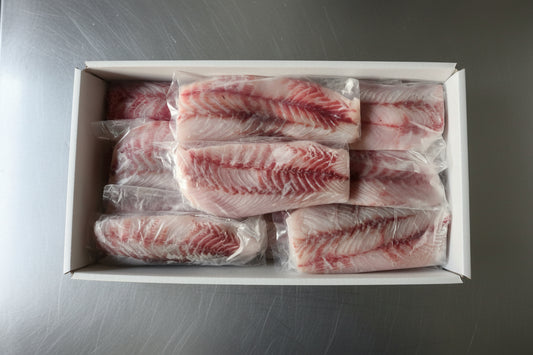
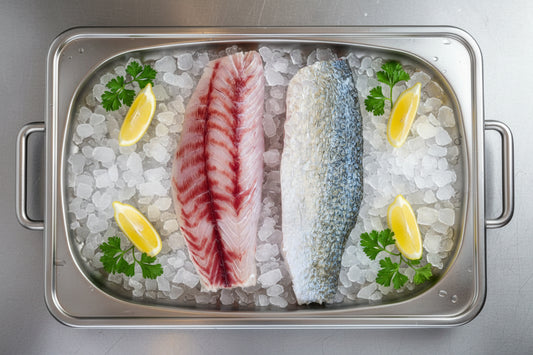
Once we decide to keep a fish, handling becomes everything. We work fast and gently: quick dispatch, proper bleeding, straight into ice and brine, then snap-freezing on board. This locks in texture and flavour and means less waste. Every fish we keep is respected, and our goal is to turn that hard-won catch into premium, sustainably caught seafood that cooks beautifully in a pan, on a hotplate or over camp coals.
Life on the Last Water and Choosing Your Plate
Being among the last commercial gill net fishers in the Gulf feels different now. We still launch in the dark at the Karumba ramp, feel the morning breeze on the river and read the tide lines on the water. We use GPS and plotters, but we also work off memory, little sandbanks, snags and colour changes that older fishers pointed out long before screens were common.
The fleet has shrunk over time through licence buybacks, tighter rules and rising costs. At the same time, there is a strong public push against any sort of nets, even when they are tightly managed. That hits small coastal towns and fishing families who have learned to fish carefully and follow the rules. The work is not just a job, it is a way of knowing the seasons, storms and river mouths by heart.
Our Last Water brand and apparel grew from that feeling. It is a quiet tribute to the men and women who worked these rivers and estuaries with gill nets long before large-scale closures. The name speaks to the idea that if we are not careful, we could be the last generation to fish these waters in this way. For us, sustainable wild fishing is culture, not just harvest. When people choose traceable Gulf barramundi or king threadfin from a regulated gill net fishery, they help keep that culture, the fish and the ecosystem going together.
Enjoy Fresh, Ethical Seafood On Your Table Tonight
Bring the taste of the ocean home with our premium selection of sustainably caught seafood, harvested with care for Australian waters and communities. At DragonPearl Seafoods, we carefully choose every catch so you can feel confident about what you are serving. If you have any questions about our range or need help choosing the right seafood for your next meal, simply contact us and we will be happy to help.