Gulf Barramundi Showdown: Wild vs. Farmed Taste, Texture, and Cooking Tips
Gulf Barramundi Showdown
Choosing between wild and farmed barramundi matters if you care about flavour, texture, and how your seafood is caught. Australian families are asking more questions about where their fish comes from, what is in it, and what it means for our coasts and communities.
Here in the Gulf of Carpentaria, barramundi sits right in the middle of that chat. So we set up a simple blind taste test in a Karumba backyard, early spring heat building, eskies packed with both wild Gulf barra and farmed fish. No one knew which was which. By the end of lunch, a few people were pretty surprised by what their taste buds picked. In this post, we want to share what we learned, how you can run your own showdown at home, and what sits behind that word on the box: sustainable.
We fish as one of the last wild barramundi fleets on the Gulf, under the Last Water brand. Our family runs DragonPearl Seafoods, and we work under tight rules that shape every haul we take. That mix of flavour, texture, and care for the fishery is what we want to walk you through.
Wild vs. Farmed Barramundi on the Plate
When we put wild Gulf barramundi and farmed barra side by side, cooked the same way, patterns started to stand out.
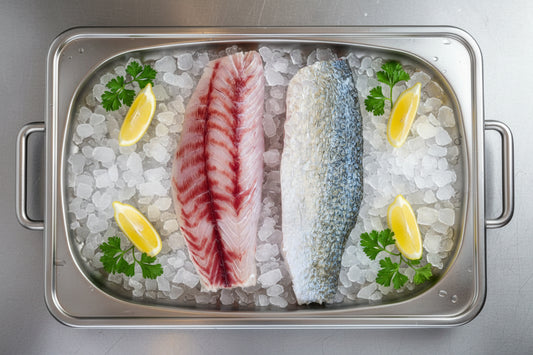
With simple pan-frying, just salt, pepper and a squeeze of lemon, wild Gulf barra usually shows a clean, slightly briny taste. There is a gentle "ocean sweet" note that still tastes like fish, but not in a strong or muddy way. Farmed barramundi often tastes milder and more neutral, which some people like because it takes on sauces easily, but it can feel a bit flat next to wild fish.
Texture is where people notice a real difference. Wild barramundi tends to have:
- Firmer, springier flakes
- A drier, cleaner mouthfeel
- Lower fat marbling through the flesh
Farmed fish is often softer, with more oil in the flesh. On the barbecue or under a hot grill, that means wild fillets hold their shape and crisp at the edges, while farmed fillets can feel a little richer and softer.
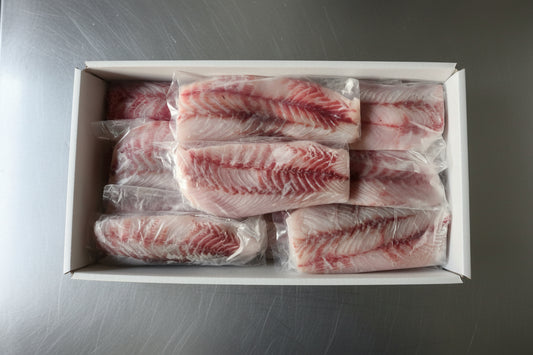
On size, farmed barramundi is very consistent. Fillets line up neatly, all the same thickness. Wild fish is more seasonal and individual, so you see a bit more variety in shape and cut. That is one reason we snap-freeze our Gulf fish in boxes, so home cooks can get even, good-sized pieces without stress about waste.
There are a few myths that come up all the time:
- "Farmed is always better for the environment"
- "Wild fish is always tough and dry"
- "You cannot get consistent quality from wild fish"
What you taste on the plate comes from diet, water quality and stress levels. Wild barra in the Gulf are feeding naturally and moving with tides and seasons, so the flesh is naturally firmer. If you cook it with a light hand, it is juicy, not tough. And wild does not mean random. Careful processing and quick freezing help keep quality repeatable for home cooks.
Blind Test Recipes for Your Own Barramundi Showdown
Running your own blind tasting is simple and a lot of fun at a spring barbecue. The aim is to keep everything the same except for one thing: wild versus farmed.
Basic setup:
- Cut both fish into matching portions
- Label plates or boards A and B
- Use the same oil, heat, seasoning and cooking time
- Keep the source of each fish secret until everyone has eaten
Then try a few early spring recipes.
Lemon Myrtle Pan-Fried Barramundi
Pat the fillets dry, skin on. Season both sides with salt, pepper and a pinch of lemon myrtle. Start skin-side down in a hot pan with a bit of oil. Press lightly so the skin stays flat and crisp. Finish with a squeeze of lemon and serve with a simple green salad. This one really shows subtle flavour differences.
Barbecue Barramundi Cutlets
Brush cutlets with oil, native pepper and lime zest. Grill over medium-high heat on a clean, oiled plate. Turn once, and rest for a minute before serving. Here you can test:
- Which fish holds together better on the barbecue
- Which one crisps on the outside without drying out
- How smoke clings to each type of flesh
Coconut Curry Barramundi Tray Bake
Layer onion, capsicum and cherry tomatoes in a tray. Pour over a light coconut curry mix. Nestle in the fish pieces and bake until just cooked. This recipe shows which fish stands out in a saucy, spiced dish and which one fades into the background.
A few handy tips:
- Always pat fish dry for crisp skin
- Cook from fridge-cool, not icy or half-frozen
- Wild fillets can be slightly leaner, so check them a minute earlier
- Aim for just-opaque flakes that still feel juicy in the centre
Ask your guests to note flavour, texture and how the fish behaves on the plate. Only then reveal which was wild and which was farmed.
How Gill Net Rules Make Wild Fishing Sustainable
When people hear gill nets, they often picture old stories, not the tightly managed fishery we work in today. In the Gulf of Carpentaria, gill netting is heavily controlled from the moment we leave the harbour.
Here is what shapes our work:
- Limited licences and a small number of boats on the water
- Defined seasons so key breeding and nursery periods are protected
- Set mesh sizes so small juveniles and oversize breeders are less likely to be taken
- Strict size limits for barramundi and king threadfin salmon
Every trip, we keep logbooks and follow reporting rules that track catch and location. There are closed nursery areas where we simply do not fish. Bycatch rules mean we handle and release non-target species as quickly and safely as we can. Scientific checks guide how much can be taken so stocks stay healthy.
Over time, policy changes and licence buy-backs have reduced the number of commercial gill net boats. Rather than a big fleet chasing every last fish, you now have a small, carefully controlled group of operators. For us, that means each barra or king threadfin leaving Karumba is traceable right back to a regulated fishery.
Snap-freezing soon after landing locks in that freshness. It cuts waste, gives families far from the Gulf access to quality wild fish, and means people do not have to rely only on imports or farmed options when they want barramundi on the table.
Life on the Last Water Fleet in the Gulf
A typical trip starts before first light. We push off from Karumba while the air is still cool and the stars are fading. The Gulf looks flat in the half-dark, but we know what the tides and clouds are saying. Some days are glassy, some days throw up storms, but the work goes on.
On board, everyone has a job. Some of us grew up on these decks, learning to read the sea from parents and grandparents. We set and work the nets, watch the weather, handle the catch quickly and cleanly. Heat, long nights, surprise squalls; it is all part of the rhythm.
Last Water is the name we chose as a tribute to that shrinking line of commercial boats still working these grounds. It nods to the idea that every trip could be part of the last chapter of a historic fishery if we do not get the balance right.
Being among the last is a mix of pride and worry. Pride in skills passed down and sharpened over years. Worry about what happens to coastal towns if working boats vanish and knowledge goes with them. We want to show that commercial fishing and healthy fish stocks can sit side by side when rules are strong and followed.
When someone cooks a Last Water barramundi or king threadfin salmon, they are tasting more than a species. They are tasting a place, a family and a carefully managed fishery.
Why Sustainably Caught Seafood Tastes Better for Everyone
When you look back at the blind-test plates, flavour and texture are only part of the story. Wild fish from a well-managed fishery gives you that clean, ocean-fresh taste, plus the comfort of knowing the catch sits inside a long-term plan for the Gulf and its people.
Buying sustainably caught seafood is not about chasing labels for show. It is about:
- Supporting regulated fisheries that protect nursery areas and breeders
- Backing coastal communities that still work on the water
- Choosing fish that reflect real seasons and natural diets
Good questions to ask at the shop or market are simple: Where was this barramundi caught? Was it wild or farmed? Who caught it, and how is it handled after landing? When you can trace fish back to places like the Gulf of Carpentaria and to operators who can explain their rules on gear, seasons and snap-freezing, you are already making a stronger choice.
Hosting your own Gulf Barramundi Showdown is a fun way to taste the difference for yourself. Set up the blind plates, compare wild and farmed across a few recipes, and see what your friends pick. However the scores land, you will walk away with a clearer feel for what sits on your plate, how it was caught, and why those last carefully regulated wild fleets matter for future spring barbecues.
For us at DragonPearl Seafoods, every box of Last Water barramundi or king threadfin salmon is a promise that great eating and care for the Gulf can go hand in hand, from our decks to your pan.
Enjoy Fresh, Ethical Seafood With Every Order
Choose DragonPearl Seafoods for premium quality that respects our oceans and supports local communities. Browse our range of sustainably caught seafood and stock your kitchen with responsibly sourced favourites. If you have any questions about our catch methods or need personalised recommendations, feel free to contact us.