Why Gulf of Carpentaria Barramundi Is in a Class of Its Own
Taste the Gulf: What Makes This Barramundi so Special
Gulf of Carpentaria barramundi has a very particular character. It comes from warm, tidal waters that run clean and hard along a remote coastline, far from big ports and heavy industry. Around Karumba, where we work, the rivers empty into the Gulf and create feeding grounds rich with prawns and baitfish. That environment shapes every fish that comes over our rail.
At DragonPearl Seafoods, our family runs a boat-to-plate operation, supplying premium, wild-caught barramundi and King Threadfin Salmon directly from our vessel. For years, much of our catch has gone to top private chefs and leading restaurants that want Gulf fish with a clear story and consistent quality. Now, more Australians can access the same standard of seafood by ordering wild-caught barramundi online, straight from the fishing family that caught it.
In this article, we talk honestly about why wild Gulf barramundi tastes different to farmed fish, how gill-netting works in practice, what sustainability actually looks like in the Gulf, and what it means to be among the last commercial fishing families still working these waters.
Wild Gulf Barramundi vs. Farmed Fish on Your Plate
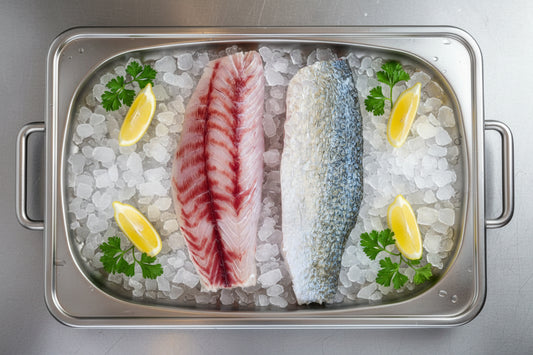
When you put Gulf barramundi on a board beside a typical farmed fillet, the differences stand out straight away. Wild fish from the Gulf usually have:
- A clean, sea-fresh aroma
- Natural fat lines running through the flesh
- A slightly firmer, springy texture
- A milder, sweeter flavour without muddiness
That texture and flavour profile is why many top chefs will choose wild Gulf barramundi when they want a hero fish dish. It holds together when pan-roasted, crisps up beautifully on the skin, and stays moist in the centre.
The reason sits in how the fish lives and eats. Our barramundi grow in strong tidal systems, chasing prawns, baitfish and crabs along gutters and channels. They are constantly moving, hunting and adjusting to currents. Farmed fish, by contrast, are raised in pens and fed pellets. While farmed fish absolutely have their place, this different lifestyle affects:
- Muscle development, which influences firmness
- Fat distribution, which affects mouthfeel
- Flavour, which is shaped by natural prey versus formulated feed
Nutritionally, wild barramundi is naturally lean but still carries healthy fats that come from a diverse, wild diet. The flavour is usually cleaner, with less risk of off-notes that can occur when fish are raised in enclosed systems. It is no surprise that so many high-end restaurants and private chefs consistently rate Gulf wild barramundi among the best options when they want a reliable Australian white fish.
Why Top Chefs Seek Out DragonPearl’s Catch
Chefs are particular about fish for good reason. One poor box can put a whole menu in trouble. What they want is reliability, provenance and handling that respects the ingredient from the moment it leaves the water.
On our vessel, every step is built around quality:
- Nets are checked regularly so fish are not left for long periods
- Catch is brought aboard and chilled quickly
- Fish are handled with care to protect the flesh
- Filleting is done with an eye for consistency and yield
Because we are a family-run operation, the same people who set the gear are the ones talking to buyers. Chefs know exactly which vessel their barramundi came from and which grounds it was caught on. That traceability gives them confidence when they write a menu or cook for private clients.
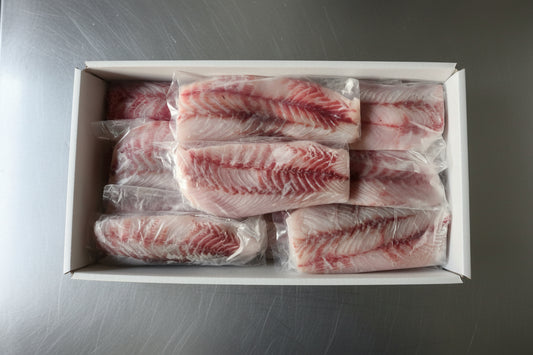
For home cooks, the exciting part is that this is no longer reserved just for the trade. The same grade of fish that goes into top private dining rooms is now available as wild-caught barramundi online through our shop. We pack and dispatch with restaurant standards in mind, so the fillets arriving at your door are in the same condition a chef would expect at the back door of a kitchen.
The Truth About Gill-Net Fishing and Sustainability
Gill-netting often gets talked about without much understanding of how it actually works on the water. In our part of the Gulf, nets are set for specific target species, mainly barramundi and King Threadfin Salmon. Mesh size is critical, because it is chosen to allow smaller, undersize fish to slip through while catching legal-size fish properly.
A typical approach involves:
- Setting nets in carefully chosen locations, taking tides and fish movements into account
- Using regulated mesh sizes that focus on mature fish
- Limiting set times so fish are not held in the net for too long
- Checking gear regularly to release any unwanted species
We operate under Queensland and Gulf of Carpentaria rules that cover licensing, quotas, seasonal closures, net lengths and reporting. These regulations are in place to keep stocks healthy and to protect breeding periods. We work within those science-based limits, because if the fish are not there in the future, neither are we.
On top of the formal rules, there is the way we choose to fish. We minimise bycatch by avoiding areas where non-target species are known to be concentrated, respecting exclusion zones, and adjusting how and where we set when conditions change. That means when you choose Gulf wild fish, you can do so knowing there is a framework behind it that is designed to keep the fishery going.
Among the Last Commercial Fishers in the Gulf
The commercial fleet in the Gulf is not what it used to be. Regulatory changes, costs and market pressures have thinned out the number of working boats. Being among the last families still fishing these grounds is something we feel every time we steam out of Karumba and see fewer lights on the horizon.
A typical day on our vessel starts well before sunrise. We check the tide tables, watch the wind, and decide where to work. There is a rhythm to it:
- Running out to the grounds in the dark
- Setting nets as the first light hits the water
- Hauling gear, picking fish, and icing them as conditions change
- Heading back in with a clean, well-handled catch ready to be processed
There is pride in doing that work properly, but there is also a real sense of what is at stake. When working fishing families disappear, something important goes with them: local knowledge that has been built over generations, a direct supply of Australian seafood, and the everyday connection between coastal communities and the food people eat.
The Meaning of “Last Water” and Bringing Gulf Barramundi Home
Last Water is more than a label we put on a box. For us, it is a tribute to the older generation of Gulf fishers, the skippers and crews who worked these grounds before there were GPS plotters and modern refrigeration. It speaks to the final traditional boats still operating in this fishery and to the idea that when you are working the last of something, you treat it with respect.
When we talk about Last Water, we are talking about:
- Craftsmanship in how we handle and fillet fish
- Respect for the fishery and the people who built it
- Authenticity from net to plate, without shortcuts
- A promise that the story of the Gulf is carried in every fillet
Every time someone orders wild-caught barramundi online from us, whether they are a private chef plating for a small group or a home cook feeding the family, they become part of that story. Gulf of Carpentaria barramundi is worth seeking out because it carries the taste of a particular place, shaped by tides, wild prey and skilled handling. When you choose genuine Gulf, wild product from a working fishing family, you are not only getting beautiful fish for your table, you are also helping to keep a piece of Australia’s fishing heritage alive.
Bring Restaurant-Quality Barramundi Home Tonight
Experience how simple it is to cook premium Australian fish at home with DragonPearl Seafoods. Order our sustainably harvested wild-caught barramundi online and have it delivered frozen and ready for your next meal. If you have any questions about portions, storage or cooking tips, feel free to contact us and we will gladly help you choose the right box.