Inside Last Water: Wild-Caught Seafood, Gill Nets, and a Vanishing Gulf Fleet
Inside Last Water: Wild-Caught Seafood, Gill Nets, Gulf Fleet
Good seafood should taste like the place it comes from. When you bite into wild barramundi or king threadfin salmon, you are tasting tides, mudflats, mangroves and long dry-season winds blowing over the Gulf of Carpentaria. That flavour is hard to fake, and it is why wild fish still holds a special place on Australian plates.
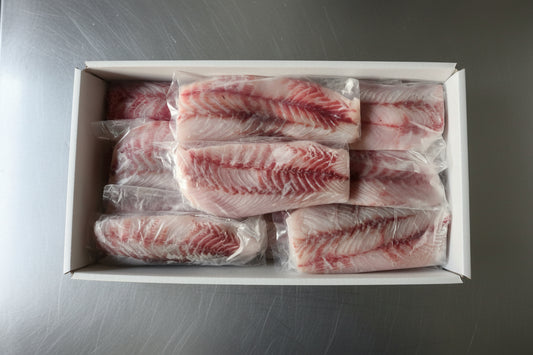
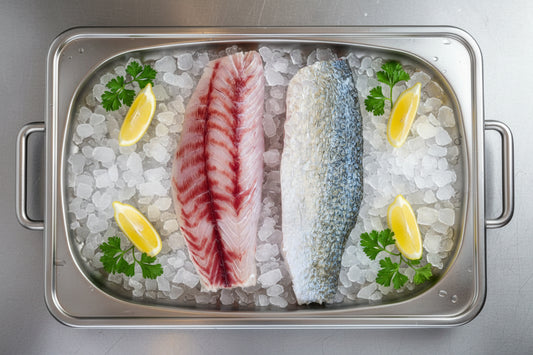
We run a small family fishing business up in the Gulf. Under our Last Water brand, we land wild-caught barramundi and king threadfin salmon, fillet them at peak freshness and snap-freeze the portions so they are ready for home kitchens right across the country. In this article, we want to share what makes wild fish different to farmed, how gill net fishing actually works when it has to be sustainable, why the Gulf fleet is shrinking, and what Last Water means to our family and our coast.
Why Wild-Caught Barramundi Tastes Like Real Australia
On a mid-winter morning in the Gulf, the air is cool and dry. The south-east trade winds have a bit of bite, the sky is sharp blue and the water lies flat when the tide slows. This is when barramundi and king threadfin move along the channels and sandbars, and this is when we are out working.
We leave before first light, running across dark water by GPS and memory. Out here we are in the fish’s world. The barramundi and king threadfin we catch have lived free in tidal rivers and coastal waters. They have chased prawns and baitfish, rode out storms, and fed on what the seasons offer. You can taste that wild life in the fillets: a clean, sweet flavour, firm flesh and subtle changes from one month to the next.
Through Last Water, we try to carry that wild Gulf story from our ice room to your freezer, so when you cook a fillet on a cold winter night, you get more than just dinner.
Wild-Caught vs. Farmed Seafood on Your Plate
Both wild and farmed seafood have a place in Australian kitchens, but they are not the same thing.
Out in the Gulf, wild barramundi and king threadfin:
-
Live in open rivers, estuaries and coastal waters
-
Feed on natural prey like small fish, prawns and crabs
-
Swim long distances and fight currents and tides
-
Grow at their own pace, with seasons shaping their condition
All that movement gives wild fish a firmer texture and a different feel under the knife and on the fork. Flavour can shift with the time of year and what the fish have been feeding on. Some people love that natural variation; it feels honest, like fruit in season.
Farmed fish are raised in nets or ponds with controlled feed and stocking. That usually means:
-
Pellet diets and planned feeding schedules
-
Crowded pens or ponds with far less room to roam
-
More even fat lines and more uniform fillets
-
Flavour and texture that stay very similar all year round
Aquaculture helps supply seafood for a lot of people and it takes pressure off some wild stocks. We respect that. We just think it is important to be clear about the differences, so when you choose between wild and farmed you know what you are buying.
On the nutrition side, healthy wild fish get natural exercise and eat a mixed diet. Many people feel that brings good levels of omega-3 and a clean taste. For us, sustainably caught seafood from strong wild stocks sits side by side with responsible aquaculture. Both can feed Australian families, as long as each is done with care for fish, water and coast.
How Gill Nets Work When Fishing Has to Be Sustainable
Gill nets are at the heart of how we fish, but there is a lot of misunderstanding about them. In the Gulf, a gill net is a set net that sits in one place, waiting for fish to move along natural paths.
Here is how it works in simple terms:
-
The net is anchored at each end and marked so it is clearly visible
-
The mesh size is chosen so only fish above a certain size are caught
-
Smaller fish can slip through the mesh and keep growing
-
Nets are set in tidal channels and along edges where target species move
We do not just put nets anywhere and hope for the best. There are rules on where and when we can work, and we follow them because our future depends on healthy stocks.
Gill net fishing in the Gulf is shaped by strict controls such as:
-
Limited licences to keep the fleet small
-
Tight rules on net length and mesh size
-
Closed seasons around key spawning times
-
Mandatory logbooks so every kilo of fish is recorded
On board, we work to protect quality and reduce waste. Fish are cleared from the net quickly, handled with care, and chilled as fast as possible. From there, fillets are snap-frozen to lock in that just-caught condition. Gear is checked and maintained to help reduce bycatch, and there are compliance checks and reporting to keep everyone honest. For us, sustainably caught seafood is not a slogan, it is how we stay on the water year after year.
Life on the Last Boats of the Gulf Fleet
A typical fishing day starts long before most alarms. There is coffee in the dark, last checks on fuel and ice, then we push off as the stars fade. The run out can be quiet, just the hum of the motor, a few calls about tide and wind, and the first hint of colour in the east.
We read the water, not just charts. A change in colour can tell us where the deeper channel swings. A line of ripples might show where bait is moving. We set the nets, mark our positions and wait on the tide, always watching the sky and the chop.
When the nets come up with good barramundi and king threadfin, sea eagles might be circling and the winter sun is warm on our backs. It is hard, wet work, but it feels right.
These days, though, there are fewer boats working alongside us. At the ramp, you notice the quiet. Many skippers are older, and not many young people are stepping in. Costs keep rising, rules get tighter, and small family outfits carry a lot of weight just to stay afloat.
What is at risk is more than a few jobs. It is local knowledge built over generations, small-town work on wharves and in sheds, and the simple chance for everyday Australians to bring home wild, locally and sustainably caught seafood from their own coastline.
What Last Water Really Means to Our Family
Last Water is a phrase we grew up with. It is the final push home on the last of the tide, when the water still helps you and you make the most of every bit of flow. Call it the last run before the river turns.
For us, it is also a way of talking about this moment in Gulf fishing. Many families are in their last water, their final years on the grounds their parents and grandparents worked.
Older fishers taught us to read tiny changes in current, to watch moon phases for king threadfin runs, to feel the weight of a net and know what might be in it before you see a single fish. Those skills are not written down. They live in stories, in habits, in the way we handle each fillet.
With Last Water, we try to keep that knowledge alive. Every fillet box is more than seafood in a bag. It carries a bit of the Gulf’s working past into home kitchens, so the history of our commercial fishing industry does not fade quietly away.
Bringing Gulf Heritage to Your Winter Table
On a cold night, wild fish suits simple, hearty cooking. Because our fillets are snap-frozen at peak freshness, they are ready when you are, without losing that just-caught quality.
Some winter-friendly ideas we love are:
-
Pan-fried barramundi with lemon, salt and a few native herbs
-
King threadfin curry, slow-simmered so the flavour deepens
-
Baked fillets laid over root vegetables until the edges crisp
-
Lightly crumbed portions with a warm salad for an easy weeknight meal
When you choose locally and responsibly sourced, sustainably caught seafood, you are not just feeding your family. You are also helping keep a small fleet working, and you are giving a future to the stories, skills and heritage of the Gulf of Carpentaria.
That is what we stand for at DragonPearl Seafoods and through our Last Water brand, and we are proud to share a taste of our water with your winter table.
Choose Ocean-Friendly Seafood For Your Next Meal
Explore our range of premium sustainably caught seafood and bring fresher, cleaner flavours to your table while supporting healthier oceans. At DragonPearl Seafoods, we carefully source each catch so you can feel confident about what you are serving family and friends. If you have questions about availability, ordering or wholesale options, please contact us and we will be happy to help.