Preparing a King Threadfin Salmon Box for Wet-Season Meals
Stock Your Freezer Before Wet Season Dinners Begin
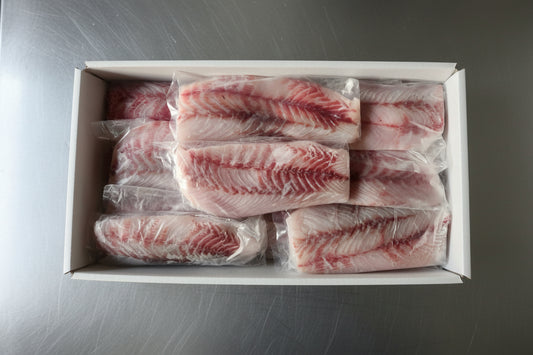
A king threadfin salmon box can make wet-season dinners feel far less rushed. By October, many Cairns households are thinking ahead to humid days, sudden rain and busy evenings when a quick shop is the last thing on the list.
As a family-run Gulf of Carpentaria fishing business, we bring wild-caught barramundi and king threadfin salmon from the water to your freezer. Our fish is processed and snap-frozen for direct online orders and local Cairns delivery, giving you a dependable option when meal plans need to stay flexible. A well-stocked freezer means dinner can still come together when the weather changes or the week gets away from you.
Why a King Threadfin Salmon Box Makes Sense
A king threadfin salmon box is designed for people who like having good fish ready when they need it. The exact cuts, pack sizes and current availability can change, so we recommend confirming the details on the current product listing before planning your meals. What remains the same is the convenience of keeping properly processed, snap-frozen wild fish close at hand.
Snap freezing preserves the fish from the time it is processed, rather than leaving you to race through every piece at once. You can thaw the amount needed for one dinner and keep the remaining fish frozen for another night. That is especially handy during the wet season, when a simple meal can be the best kind of plan.
A box gives you room to build a small rotation of easy dinners, such as:
- Pan-fried fish with rice, salad and lime
- Fish tacos with crunchy slaw
- A gentle curry with vegetables and coconut milk
- A tray bake with seasonal produce
- A barbecue dinner when the weather allows
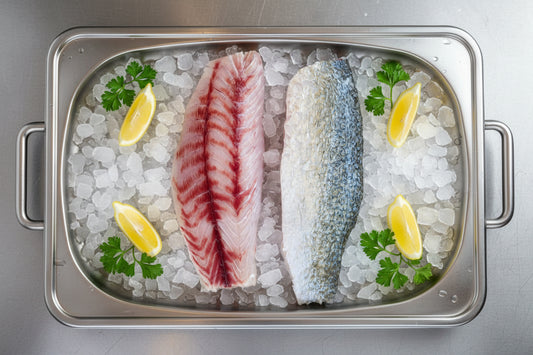
King threadfin salmon has a place in meals that are quick, colourful and easy to share. Keeping it in the freezer also means you can decide what dinner looks like later, rather than committing to a meal before the day has even begun.
Wild-Caught Fish Brings the Gulf to the Table
Wild-caught and farmed seafood come from different production systems. Wild fish live and feed in their natural environment before being caught, while farmed fish are raised in managed aquaculture systems. Neither approach is automatically better in every situation. Each has different practices, conditions and things for buyers to consider.
For us, the value of wild-caught king threadfin salmon begins with its connection to the Gulf of Carpentaria. The fish in our king threadfin salmon box comes from northern Australian waters where commercial fishing is part of daily working life. When you cook it at home, you are sharing in a food tradition shaped by the sea, the seasons and the people who work on the water.
Wild fish are not factory-standard products, and that is part of their character. Size, texture and availability can vary naturally. Some days and seasons offer different catches than others, and responsible fishers must work with those conditions rather than against them.
That variation is worth understanding when you buy seafood direct from a working fishery:
- Fish may not look identical from one catch to the next
- Seasonal conditions can affect availability
- Natural texture can differ between individual fish
- Responsible harvesting depends on what the water provides
We see this as an honest part of seafood. It reflects real fish, real waters and the practical knowledge needed to bring a quality catch ashore.
How Gill Net Rules Support Gulf Fisheries
Gill net fishing is regulated, and it should be discussed with care. A gill net is not sustainable by default simply because it is a traditional fishing method. Its effects depend on where and how it is used, who is operating it, the rules in place and the monitoring that follows.
Responsible commercial fishing relies on licensed operators, clear requirements and active compliance. In Gulf fisheries, management measures can include rules around net length and mesh size, licence conditions, closures by area or season, protected-species protections, catch reporting and limits on where fishing can occur. Current details can change, so they should always be confirmed with Fisheries Queensland before publication or before making a claim about a specific rule.
These requirements matter because fishing is about more than bringing in a catch. Good rules are intended to guide where nets can be set, what equipment may be used and how fishing activity is recorded. They also create a framework for action when conditions, species needs or fisheries information change.
Accountability is the point. When rules are clear and operators are expected to follow them, commercial fishing can be managed with the long term in mind. That helps support efforts to reduce unintended catch, protect sensitive habitats and species, and keep regional fishing communities working.
Our place in that picture is not to make broad promises. It is to respect the regulations that apply to our work, take care on the water and recognise that the future of Gulf fisheries depends on responsible decisions every day.
Last Water Keeps a Fishing Legacy in View
Last Water is our tribute to the commercial fishing industry and to the families who have made a living from the Gulf of Carpentaria across generations. The name carries respect for the people whose work often begins well before daylight and continues through changing tides, weather and sea conditions.
Being among the remaining commercial fishers in these waters comes with a clear sense of responsibility. The job calls for practical knowledge, patience and close attention to the conditions around us. Bringing wild-caught fish to shore is not just about the final product. It is about reading the water, caring for the catch and understanding that every trip is part of a longer fishing story.
That story belongs to more than one boat or family. It belongs to coastal communities, seafood buyers and the people who have kept regional fishing knowledge alive through hands-on work. Last Water keeps that legacy in view while reminding us that respect for the ocean and respect for the rules must go together.
When we speak about wild fish, we are also speaking about the people behind it. Their work helps keep northern Australian seafood traditions present at the dinner table, one catch and one meal at a time.
Turn Your Box Into Easy Wet Season Dinners
Before wet-season meal routines begin, it helps to keep a few reliable seafood ideas in mind and confirm current king threadfin salmon box availability and local delivery details. Choose meals that suit the way your household eats, whether that means tacos on a busy night, a curry for leftovers or simple fillets with fresh sides.
Keep fish frozen until you are ready to use it, then thaw it safely in the fridge. A small collection of familiar seafood recipes can take the pressure out of dinner planning and leave you with more time to enjoy the meal when it is ready.
Stock Your Freezer With Wild-Caught Variety
Choose a king threadfin salmon box to bring responsibly caught fish into your wet-season meal rotation. At DragonPearl Seafoods, we honour the work of Gulf fishers and the care behind every catch. If you have questions about our boxes or wild-caught seafood, contact us and our team will be glad to help.