What Last Water Means for Wild-Caught Barramundi Shoppers
Why Last Water Matters for Your Dinner Plate
Choosing seafood is not just about what tastes good. It is also about where it comes from, how it was caught and who is still out there working on the water. As the weather cools and more people reach for barramundi curries, fish stews and a pan of crispy-skin fillets, these questions matter even more.
Our Last Water range is our way of sharing a story, not just a logo. It is about the wild Gulf of Carpentaria, the shrinking commercial fleet that still fishes it and what that means for the fish on your fork. By the end, you will see how sustainably caught seafood from wild waters is different to farmed fish, why well-regulated gill net fishing can be responsible and how backing the last working boats helps keep fish stocks and coastal culture alive.
Wild Barramundi vs. Farmed Fish on Your Fork
Wild barramundi grow up in a natural world of tides, currents and changing seasons. They chase prawns and smaller fish, move between salty and fresh water and build muscle as they work with the flow. Farmed fish live in a controlled space, often in crowded pens, and eat a set diet.
Those different lives show up on your plate, especially in winter when you want hearty, satisfying meals. Wild-caught barramundi and king threadfin often have:
- A firmer, more varied texture
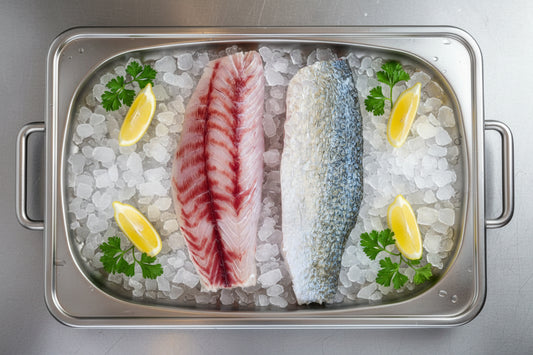
- Clean, ocean-driven flavour
- Natural fat lines that stay juicy in curries and stews
- Skin that crisps up beautifully in a hot pan
Farmed fish can be mild and soft, which some people like, but it can also feel less lively in the mouth. When you are stocking the freezer for cold nights, it is good to know what style you are buying.
There is also the impact on the water itself. Some aquaculture systems use feed, chemicals and crowding that can affect local bays and rivers. By contrast, strictly managed wild fisheries in the Gulf work with:
- Set seasons and closed areas
- Limits on what can be caught
- Rules to protect young fish and breeding stock
Traceability is a big part of this. With wild-caught fish like ours, each fillet starts with a real boat, a real trip and a known patch of ocean. Good traceability means you can know:
- What waters the fish came from
- What gear was used to catch it
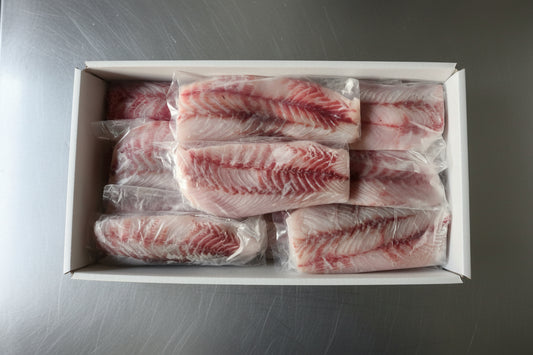
- That it was snap-frozen quickly to lock in quality
When you choose fish with that kind of story, you are choosing seafood that is far more likely to be genuinely sustainably caught.
How Gill Net Fishing Can Be Truly Sustainable
Gill net fishing sounds harsh if you only hear the name, so let us break it down in simple terms. A gillnet is a long wall of mesh that sits in the water at a set height. Fish swim into it, and if they are the right size and species for the mesh, they are held by the gills.
On our family boats in the Gulf of Carpentaria, we work very specific grounds and use targeted nets. The way we fish is shaped by strict rules in Queensland and the Northern Territory. These rules cover things like:
- Limited licences for commercial operators
- Net length, depth and mesh size
- Seasonal closures to protect spawning times
- Areas where nets are banned or restricted
- Species that must be released if caught
Those rules are set up to reduce bycatch and protect vulnerable species. They are also checked on the water, which means we work under real eyes, not just paperwork.
What we do on deck also matters. We keep soak times short, which means the nets are not left in the water all day. We:
- Set the net, then haul it as soon as possible
- Clear the fish quickly and handle them with care
- Ice them down or snap-freeze them on board
This reduces stress on the fish, keeps quality high and cuts waste. If we take a barramundi or a king threadfin from the Gulf, we want to value it fully, from the moment it leaves the water to the moment it hits your pan.
Among the Last Working Boats in the Gulf
Out on the Gulf, the sea can look endless. But the number of working boats is not. Each year, more commercial licences are bought back, more areas are closed and more old timber hulls sit tied up for good.
We are a family operation, and for us, this is not just a job; it is a life that has run through more than one generation. Long seasons away from home, early starts, late finishes and the quiet moments on watch when the stars are the only lights. Those are the parts you do not see when you unwrap a fillet.
There is pride in knowing the grounds and the weather, in reading the colour of the water and the shape of the tide. There is also a real weight that comes with feeling like you might be among the last to fish these waters commercially. It is a mix of:
- Pride in doing things right
- Responsibility to leave fish for the future
- Grief as coastal towns lose boats, jobs and skills
When small operators disappear, your seafood often becomes more anonymous and more imported. Labels get vaguer, and the link between your dinner and a real Australian fishing town grows thin. Keeping local boats on the water keeps that link alive.
What Last Water Stands for Beyond a Brand
Last Water is our way of naming this moment. It is a tribute to a working life that is fading from the horizon. The name carries the feel of that final haul of the season, and also the sense that a whole industry is in its last stretch.
The apparel range grew from that idea. It turns this story into something people can wear and talk about. Each shirt or cap is a small reminder that behind sustainably caught seafood there are:
- Real families and crews
- Real risk and hard physical work
- A coastline full of history and stories
Saving fish stocks matters, and so does saving the stories of the people who caught them. When you put wild barramundi in the pan or pull on a Last Water shirt, you are helping keep both alive. You are saying that the culture of working boats, not just the fish, is worth carrying into the next generation.
How You Can Back Wild Fishers with Every Purchase
Supporting wild fishers starts with small choices at the shop or market. When you are stocking up for cooler months, take a minute to read the label and ask a question or two.
- Country of origin that clearly says Australia
- Catch method listed as wild-caught
- Species names like barramundi or king threadfin salmon
- Clear details about the region, such as the Gulf of Carpentaria
If the label is vague, ask where the fish was caught and how. A good fishmonger should be able to tell you. When you choose wild, traceable fish from the Gulf, you are directly backing one of the last groups of commercial fishing families still working those waters.
You can also support the story beyond your plate. Share what you know about sustainably caught seafood with friends and family. Talk about why local wild fish matters for oceans, for regional jobs and for the future of real Australian food. And when you wear Last Water gear, you carry that story into every chat, keeping the memory of the fleet alive even as the number of boats grows small.
Choose Seafood That Tastes Good And Does Good
Explore our range of Sustainably caught seafood and enjoy premium quality while supporting healthier oceans. At DragonPearl Seafoods, we carefully source every catch so you can feel confident about what you are serving your family. If you have questions about sourcing, storage or wholesale options, simply contact us and we will help you find the right choice for your table or business.