Common Mistakes When You Buy Wild-Caught Barramundi Online
Buy Better Barramundi with a Clear Gulf Story
When spring meals move back outdoors, barramundi is an easy choice for the barbecue, frying pan or oven. Its mild flavour works with simple herbs, lemon and a light glaze, but buying seafood online can still leave you wondering what will arrive at your door.
Not every product labelled barramundi has the same story. Fish may differ in origin, whether it was wild-caught or farmed, how it was processed and how clearly the seller explains its path to you. We’re a family-operated seafood business supplying wild-caught barramundi from the Gulf of Carpentaria, processed and snap-frozen for direct delivery. Here, we share what to look for, how responsible gill net fishing works and why a genuine Gulf story matters.
Our Last Water label is a tribute to the commercial fishing industry, the working families behind it and the disappearing tradition of harvesting fish from some of Australia’s most remote waters. Knowing that story helps you choose seafood with more than a good-looking product photo behind it.
Know What Wild-Caught Barramundi Really Means
Wild-caught and farmed barramundi come from different environments. Wild fish live and feed in natural waters, while farmed fish are raised in controlled aquaculture systems with their own growing conditions and supply chains. Neither description should be left to guesswork when you are choosing seafood for your table.
Nature does not make every wild fish identical, and that is part of the appeal. Seasonal conditions, feeding patterns and catch location can affect size, colour and flavour. A wild barramundi portion may not look exactly like the next one, but that natural variation comes with fish harvested from the waters where it lived.
Broad labels such as “Australian barramundi” or “premium barramundi” do not tell you enough on their own. When you buy wild-caught barramundi, we recommend looking for a clear answer to a few basic questions:
- Is the fish genuinely wild-harvested?
- Where was it caught?
- How was it processed and frozen?
- Who is supplying it to you?
In our work, Gulf of Carpentaria provenance is central to the fish we supply. A named catch region gives you a stronger connection to Australia’s northern fishing heritage and a clearer understanding of where your seafood began.
Avoid the Online Listing Traps
A beautiful seafood photo can make dinner planning easy, but it cannot confirm where the fish came from. Images rarely tell you whether barramundi is wild-caught, farmed, imported, previously thawed or sourced from a named fishery. The useful details should be in the product description, not left to your imagination.
Terms such as “sustainably sourced”, “fresh seafood” and “premium fish” can sound reassuring, yet they need supporting information. We believe customers deserve to know the origin, harvest method, processing approach, freezing method and delivery process behind the fish.
Fresh and snap-frozen are also not opposites in the way many people assume. Fish that is processed and frozen soon afterwards can hold its quality well while giving you practical flexibility. This matters especially when you live away from the coast or want seafood ready for a planned meal rather than needing to cook it straight away.
Before placing an order, take a minute to check:
- Portion size and number of pieces in each pack
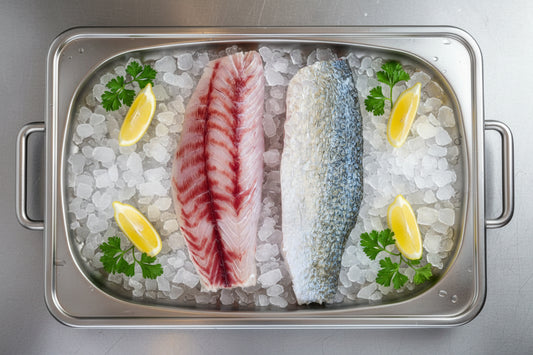
- Whether the fish is skin-on or skin-off
- Packaging quantity and freezer storage guidance
- Delivery details and what to do when the order arrives
Customers who buy wild-caught barramundi online should choose sellers that clearly state where the fish was caught and how it reached their door. That small amount of research can prevent disappointment before a spring barbecue, a relaxed weekend dinner or a school holiday meal.
See How Gill Net Rules Protect Gulf Waters
Gill net fishing is a regulated commercial fishing method, not an unmonitored free-for-all. Responsible fishing operations work within licence conditions, seasonal closures, fishing-area rules, gear requirements and catch reporting obligations. These controls set expectations for how fishing is carried out and help guide the future of the fishery.
Management measures can vary by fishery and jurisdiction, but they may include net-length limits, mesh-size rules, size limits, closed areas, protected species protections and monitoring. Together, these measures are designed to help protect fish stocks and reduce unintended catch.
Rules matter, but so does the practical knowledge of people working on the water. Responsible harvesting means following requirements, reading weather and water conditions, handling catch carefully and respecting the long-term future of the fishing grounds. Among fishing families, looking after the water is not an abstract idea. It is tied to the ability to keep fishing responsibly over time.
Transparency is part of that conversation. If you buy wild-caught barramundi, you can ask where it was caught, which fishery it came from and how the supplier approaches responsible harvesting. We see sustainability as ongoing stewardship, supported by regulations, compliance and the commitment to leave viable fisheries for future generations.
Follow the Fish From Gulf Waters to Your Freezer
From Gulf waters, the fish we supply is processed with care, snap-frozen to lock in quality and prepared for direct delivery. That process is designed to help bring wild-caught barramundi from the people who harvest it to the people who cook and share it.
The cold chain matters throughout. Proper freezing, insulated packaging and clear delivery instructions all help seafood arrive in good condition. Once it is home, following the storage guidance and getting it into the freezer promptly helps maintain its quality until meal time.
When comparing online seafood, look for a supplier that explains:
- How the fish is processed
- Whether and when it is frozen
- Where delivery is available
- How to store the order when it arrives
To make an easy spring meal, thaw barramundi safely in the refrigerator, then pat the portions dry before cooking. Lemon, garlic, herbs, native citrus or a light barbecue glaze can let the fish shine without covering its natural flavour. Direct delivery can also make the experience feel more personal, shortening the distance between the people who catch the fish and the people enjoying it.
Choose Seafood That Keeps the Gulf Story Alive
Last Water means more than a label to us. It honours the remaining commercial fishers, family businesses and coastal communities that continue to work Australia’s northern waters with knowledge built over generations. It recognises a way of life connected to tides, weather, careful harvesting and respect for remote Gulf country.
When planning your next seafood meal, keep the buying checklist simple: confirm it is wild-caught, identify the catch region, understand how it was processed, check delivery details and look for a clear fishing story. Choosing Gulf-caught barramundi with traceable provenance helps keep that story connected to the plate.
Bring Gulf Barramundi To Your Kitchen
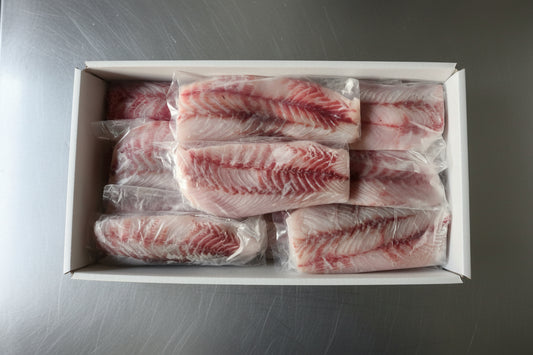
At DragonPearl Seafoods, we pack our barramundi for cooks who value dependable quality and generous portions. When you are ready to buy wild-caught barramundi, our 5kg skin-on box makes it easy to stock the freezer for family meals and entertaining. Our team is here to help with product or delivery questions, so contact us for straightforward advice before ordering.