Wild-Caught Seafood Boxes: the Paper Trail Behind Gulf Catches
See What Wild-Caught Seafood Boxes Carry
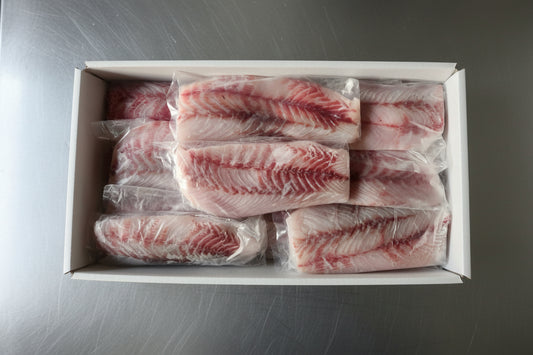
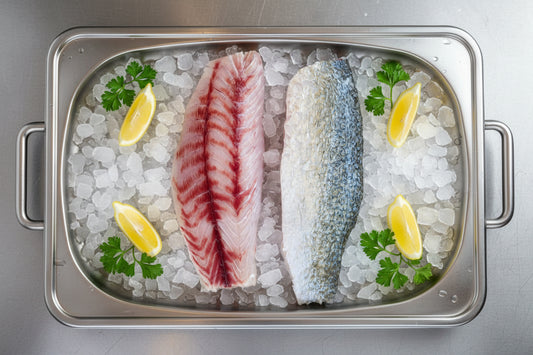
Wild-caught seafood boxes carry more than fish. Inside each box is a story about where the catch came from, who brought it in, how it was handled and why its origin matters. For us, that story begins in the Gulf of Carpentaria, where our family-run business connects people with snap-frozen barramundi and King Threadfin Salmon from Australian commercial fishing country.
When you choose wild-caught seafood boxes, it helps to ask practical questions. What species is it? Where was it caught? How was it harvested? How was it handled after landing? Not every compliance record appears on the box, but traceability information helps connect your fish back through the supply chain.
By mid October, northern weather is beginning to shift towards the wet season. Conditions on the Gulf can affect fishing access, availability and safe work on the water. Seafood is shaped by the sea, weather and careful decisions made by fishers, not simply by what a supermarket shelf needs.
Here, we explain how wild-caught fish differs from farmed seafood, why gill net fishing has rules, what records can follow a Gulf catch and what Last Water means to us.
Wild-Caught and Farmed Fish Follow Different Paths
Wild barramundi and King Threadfin Salmon live in their natural Gulf environment before licensed commercial fishers harvest them. Farmed fish are raised in controlled systems, where the producer manages matters such as feed, stocking density, water conditions and harvesting schedules.
Neither path is automatically better. Both wild-caught and farmed seafood can be produced responsibly, but they involve different questions. Wild catches rely on healthy fish stocks and well-managed fishing effort. Farmed seafood asks customers to consider feed sourcing, animal welfare, water management and farm oversight.
When you order from us, you are choosing known Gulf species with a direct connection to commercial fishing families. Our fish is snap-frozen after it has been landed and prepared, helping preserve its flavour, texture and freshness for your freezer.
Rather than stopping at a broad label, we encourage you to look for the details that matter:
- The species of fish
- The catch location
- The harvest method
- How the fish was processed and frozen
Knowing those basics gives you a clearer picture of the seafood on your plate.
How Gulf Gill Net Rules Support Responsible Fishing
Gill net fishing is not unregulated fishing. Commercial operators in the Gulf work within applicable fishery management rules, licensing requirements and operating conditions that govern where, when and how fishing can take place. Details can differ between jurisdictions, fisheries and species, so current government guidance is always the place to confirm specific requirements.
Controls may include licence conditions, net length and mesh requirements, area restrictions, seasonal closures, reporting obligations, vessel identification, protected species requirements and catch limits or other harvest controls. These measures are designed to manage fishing pressure and reduce unintended impacts.
A net by itself is not a sustainability guarantee. Responsible outcomes depend on people doing the work properly, managers monitoring stocks, operators responding to changing conditions and businesses keeping handling information clear. Trust has to be earned over time through care, compliance and honest traceability.
For us, that means respecting the fact that fishing is both a livelihood and a responsibility. The Gulf provides, but it also sets the terms. Weather changes, water conditions shift and safe operations must always come before a catch.
From Deck to Freezer, Every Catch Leaves a Record
A Gulf catch can leave a paper trail long before it reaches your home freezer. Depending on the fishery and supply chain, records may identify the vessel, licensed operator, catch area, species, landing details, receival information, transport, processing and batch identification.
Those records help businesses maintain traceability and meet food safety obligations. They also help keep the story of the fish from being lost as it moves from deck to processor, freezer and box.
The cold chain matters just as much as the paperwork. Once fish is landed and processed, careful temperature control and snap-freezing help protect quality. Clear storage guidance and product information then help you handle seafood properly once it arrives.
Traceability gives customers a useful connection to origin. When you know you are buying Gulf-caught barramundi or King Threadfin Salmon, you can make a more informed choice about the species and place behind your meal. We aim to shorten the distance between Gulf fishing heritage and your freezer without losing that connection along the way.
Last Water Honours the People Still Fishing the Gulf
Last Water is our family’s tribute to the commercial fishing industry that has shaped our working life in the Gulf of Carpentaria. We are among the commercial fishing families still carrying that work forward, connecting Gulf barramundi and King Threadfin Salmon with people who want to know where their seafood comes from.
The name honours more than the final stretches of water before a boat returns home. For our family, it represents the early starts, long days, prepared gear and close attention to weather that have always been part of making a living on the Gulf. Each catch depends on knowledge built through experience, careful decisions and respect for the water.
With fewer commercial fishing families remaining, we see Last Water as a way to keep our own place in that industry visible. Commercial fishing requires business discipline, safety awareness, compliance and resilience, and our family business carries those responsibilities from the Gulf through to every box of wild-caught seafood.
Choose Gulf Seafood with the Story Attached
Seafood is easier to value when its origin is clear. Known species, a clear catch location and information about handling can turn a frozen fish box into a connection with the Gulf of Carpentaria and the people who work there.
An informed purchase starts with simple questions about what you are buying and where it came from. That curiosity helps keep Australian fishing knowledge, responsible practices and the stories behind each catch connected to the table.
Bring Traceable Seafood To Your Table
Choose from our wild-caught seafood boxes to enjoy seafood selected with care for its quality and provenance. At DragonPearl Seafoods, we share the catch with respect for the fishers and practices behind it. If you have questions about our range or ordering, contact us.