How Skin-on Barramundi Helps Reduce Household Food Waste
Skin-on barramundi is a simple way to make more of the fish you bring home. As Australian spring begins, lighter dinners, weekend barbecues and busy school-term evenings can make it easy for good food to be forgotten in the freezer or left unfinished in the fridge.
We believe wasting less starts with choosing seafood that is easy to store, cook and enjoy in more than one way. With a little planning, skin-on barramundi can bring crisp texture, gentle flavour and better value to everyday meals.
Make Every Fillet Go Further with Skin-on Barramundi
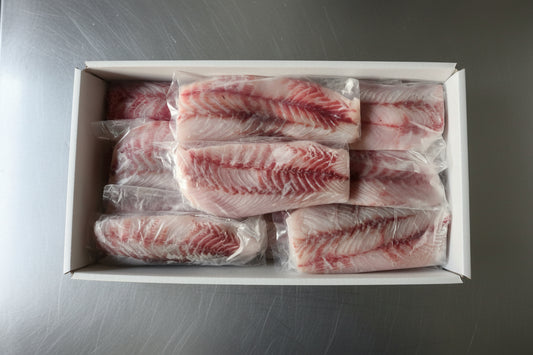
Our wild-caught barramundi comes from the Gulf of Carpentaria, where commercial fishing crews work with the tides, weather and changing seasons of Australia’s northern waters. We snap-freeze our fish soon after processing, so you can keep premium seafood on hand and take out the portions you expect to use.
That freezer flexibility matters in spring. Dinner plans change, afternoons get busier and a barbecue can replace the meal you originally had in mind. Snap-frozen seafood boxes help you avoid buying more fresh fish than you can comfortably cook in time.
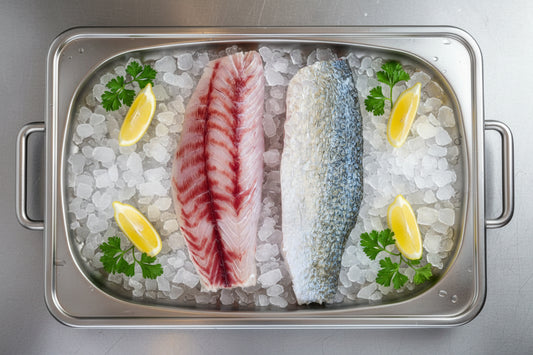
Leaving the skin on is another practical choice. The skin helps protect the delicate flesh while it cooks, and, when prepared well, it becomes a crisp and tasty part of the meal rather than something pushed to the side.
A skin-on fillet suits plenty of fresh, lighter meals, including:
- Pan-fried barramundi with spring vegetables
- Barbecued fish with a bright salad
- Barramundi served over rice with herbs and lemon
- Flaked leftover fish in wraps for the next day
Skin-on Barramundi Reduces Waste Before Cooking
Fish can be delicate, especially when it meets a hot pan or barbecue plate. The skin acts as a natural layer between the flesh and direct heat, helping the fillet hold together as it cooks. That can mean fewer broken pieces left behind in the pan and more of the portion arriving neatly on the plate.
For crisp skin, start with a dry fillet and a hot, dry pan with a small amount of oil. Place the fish skin-side down and give it time. Moving it too soon can cause sticking or tearing. Once the skin has crisped, the result is a flavourful contrast to the soft, flaky barramundi above it.
Of course, follow the handling directions on your pack and cook seafood thoroughly. If crispy skin is not to your taste, you can still cook the fillet skin-on for protection, then remove the skin after cooking. The point is to make that decision at the table, not lose good fish while preparing it.
Portion planning helps as much as cooking technique. We recommend thawing only the fish you expect to use, then building the meal around sides that can stretch or shrink easily. Rice, salad and seasonal vegetables are all useful companions. Refrigerate cooked leftovers promptly, then plan to use them for lunch the following day.
Turn One Barramundi Meal Into Two
A leftover plan is not the same as leaving food to chance. Before you serve your first meal, decide where any remaining cooked barramundi will go tomorrow. This small habit helps turn a half-fillet into something useful rather than a forgotten container at the back of the fridge.
Start with crispy skin-on barramundi as the main meal. Serve it simply, with vegetables, rice or salad, and enjoy the skin while it is hot and crisp. The next day, gently flake any leftover cooked fish and fold it into a new meal. Barramundi works well in fish cakes, fried rice, a fresh salad or wraps. Keep the flavours simple, and add the fish near the end so it stays tender.
You can also make thoughtful use of the purchase without claiming that every meal must be waste-free. If you have suitable fish trimmings, they can add flavour to a homemade seafood stock or broth. Ask us what cuts are included in your seafood box, then choose meals that suit those portions.
A few storage habits make a real difference:
- Keep frozen fish frozen until you are ready to use it
- Thaw seafood according to the pack directions
- Avoid thawing and refreezing fish repeatedly
- Chill cooked leftovers promptly and use them soon
- Set aside only the portions you need for each meal
Snap-frozen skin-on barramundi gives you more control over those choices. Instead of rushing to use everything at once, you can cook with the amount of fish that fits the people around your table.
Wild-Caught and Farmed Fish Tell Different Stories
Wild-caught and farmed fish are not the same thing, but neither label tells the whole story on its own. Wild-caught fish live and feed in their natural environment before harvest under fishery rules. Farmed fish are raised in managed aquaculture systems. Both deserve thoughtful questions from anyone buying seafood.
For our wild-caught barramundi, the story begins in the Gulf of Carpentaria. It comes from Australian waters and from crews with deep local knowledge of tides, seasons and conditions on the water. That connection to place is part of why we encourage people to value every fillet and cook it with care.
When choosing seafood, we suggest looking beyond the label. Helpful questions include:
- Where was the fish caught or farmed?
- Can the seller identify the species and source?
- How was the seafood handled and frozen?
- What management rules apply to the fishery?
Clear answers help you understand what is on your plate. They also make it easier to choose seafood that reflects the kind of fishing and food system you want to support.
Gill Net Rules and the Last Water Legacy
Gill net fishing is regulated through fishery rules designed to protect fish stocks, habitats and other marine life. Depending on the fishery and jurisdiction, these rules may cover licences, seasonal or area closures, net dimensions, mesh size, equipment requirements, catch reporting and monitoring.
Those measures matter because responsible fishing is not one simple claim. It depends on following rules, using science and catch information to guide decisions, reviewing management over time and continuing to improve. Controls can help target intended species and sizes, reduce pressure during sensitive periods and give fishery managers a clearer picture of what is happening on the water.
Make Every Barramundi Meal Go Further
Choose our skin-on barramundi for a versatile freezer staple that supports practical, low-waste cooking. DragonPearl Seafoods prepares each box for home cooks who value flavour, texture and meals with more than one purpose. If you have questions about portions, storage or preparation, contact us and our team will be glad to help.