Skin-on Threadfin Salmon Vs Skin-Off: Choose by Cooking Method
Match Your Threadfin Cut to Your Cooking Style
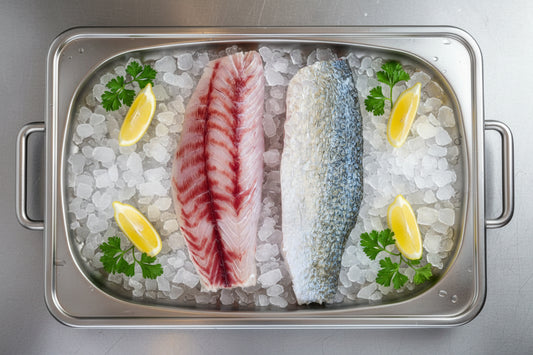
Choosing skin-on Threadfin Salmon or skin-off portions is not about one being better than the other. It comes down to the meal you are making, the heat you plan to use and the texture you want on the plate.
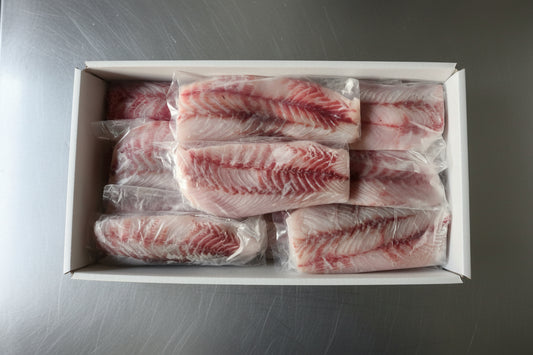
Our wild-caught King Threadfin Salmon comes from the Gulf of Carpentaria and is snap-frozen at peak freshness, so you can keep premium seafood ready for dinner throughout the year. As spring arrives in Cairns and across Australia, threadfin is especially good with lighter meals, outdoor barbecues, fresh herbs, citrus, asparagus and crisp salad greens.
What Skin-on Threadfin Salmon Delivers in the Pan
Skin-on Threadfin Salmon is our pick when you want a golden, crisp finish. The skin works as a natural layer of protection during pan-frying, grilling and barbecuing. It helps support the delicate fillet, lowering the chance of the flesh sticking, breaking apart or drying out over high heat.
For the best result, pat the skin dry before cooking. Heat a lightly oiled pan, place the fish skin-side down and let most of the cooking happen on that side. Try not to shuffle it about too soon. Once the skin releases naturally, the fillet is ready for a gentle turn if it needs one.
Skin-on portions suit:
- Pan-seared weeknight meals with crisp skin
- Barbecuing on a hot plate or fish-safe grill surface
- Roasting skin-side down with spring vegetables and lemon
- Whole fillets served at the table for a restaurant-style finish
The contrast is the real reward: savoury crisp skin beside mild, moist flesh. Keep flavours simple with finger lime, lemon myrtle, garlic, chilli, coriander, macadamia, mango or just a squeeze of lemon.
When Skin-Off Makes the Better Choice
Skin-off Threadfin Salmon brings its own strengths. Without skin, you can focus on the fish’s clean flavour and soft texture, particularly in dishes where it will be gently baked, poached, flaked or cut into smaller pieces.
We recommend skin-off portions when sauce, crumbs or a marinade are part of the plan. They work beautifully in coconut curries, seafood pies, tacos, fish cakes, pasta, steamed parcels and baked tray meals. These are easy options for a light spring dinner or sharing with family and friends.
Because there is no skin to shield the flesh from direct heat, skin-off fish needs a softer touch. A lightly oiled tray, baking paper, a foil parcel or a cooking sauce can help hold in moisture.
A few simple rules help:
- Use moderate heat instead of an aggressively hot pan
- Turn the fish carefully, only once it releases naturally
- Cook until the flesh is opaque and flakes easily
- Avoid overcooking, which can dry delicate fish quickly
Choose skin-off when you want flaked fish or a delicate finish. Choose skin-on when crispness, presentation and high-heat cooking are the priority.
Wild-Caught Quality Begins in the Gulf
Our King Threadfin Salmon is wild-caught in the Gulf of Carpentaria, where the fish lives and feeds in its natural environment. That setting, along with the season and habitat, shapes the flavour and texture of the catch.
Wild-caught and farmed seafood are different supply models, rather than a simple good-versus-bad choice. You may choose one or the other based on flavour preferences, availability, price, traceability or your own values. For us, bringing Gulf-caught fish directly to Australian households is about sharing seafood with a clear connection to the water and the people who work it.
Commercial gill net fishing carries rules and operating requirements designed to support responsible harvesting. These can include licensing, approved fishing areas, permitted net specifications, seasonal or area closures, catch limits where they apply, monitoring, reporting and protections for threatened species.
Sustainable fishing is not one label or one easy promise. It depends on following the rules, respecting changing conditions, operating openly and caring about the long-term health of fisheries.
Responsibility Beyond the Catch
Fishing in the Gulf is demanding work. Commercial fishers work in remote conditions, watch the weather, read tides, maintain their gear and make careful decisions every day. Bringing quality seafood ashore takes more than catching fish.
Gill net fishers have responsibilities beyond the catch itself. They must use permitted gear, follow designated rules and respond properly to protected species interactions and reporting obligations. Those requirements matter because seafood should come with care for the waters that provide it.
After landing, snap-freezing helps preserve the natural texture and flavour of wild-caught fish. It means you can enjoy premium Gulf seafood even when you live far from the coast.
Our Last Water name is a tribute to the fishing industry and the generations of people who have worked these waters. It recognises a way of life that is becoming rarer, while respecting the effort, knowledge and responsibility behind every catch.
Choose Your Cut and Cook with Confidence
For crispy skin, pan-searing, grilling and roasting, choose skin-on Threadfin Salmon. For curries, baking, fish cakes, poaching and saucy meals, skin-off is often the easier fit.
Whichever cut you choose, let the natural character of Gulf-caught threadfin lead the meal. A few good ingredients, careful heat and a little patience are usually all it needs.
Choose Fish Prepared For Your Pan
For dependable quality and careful handling, order skin-on threadfin salmon from DragonPearl Seafoods. We supply seafood with the skin left intact for cooks who value a crisp finish and extra protection in the pan. If you would like help selecting the right box for your cooking plans, contact us.