How to Store Wild Fish Fillets and Prevent Freezer Burn
Keep Every Fillet Fresh From Freezer to Plate
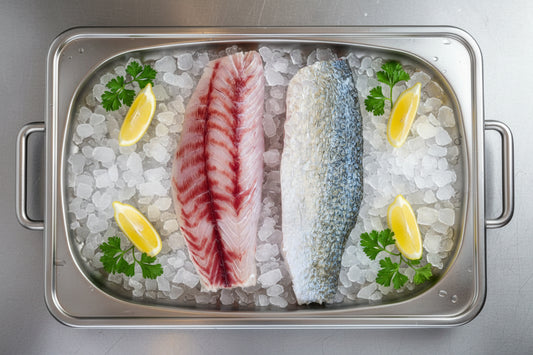
Good fish storage helps premium wild-caught barramundi and King Threadfin Salmon stay moist, sweet and flaky right through to dinner time. We snap-freeze our catch to lock in its quality, but what happens once your seafood reaches home matters just as much. A little care in the freezer protects the clean flavour and delicate texture you expect from fish from the Gulf of Carpentaria.
Freezer burn happens when fish loses moisture through contact with air, often made worse by changing freezer temperatures. It is usually a quality problem rather than an immediate food safety issue, but it can leave fillets dry, tough and less flavoursome. Below, we share how to receive frozen seafood, protect its packaging, keep your freezer steady and thaw fish safely. During September’s warmer spring weather in Cairns and across Australia, getting seafood back into the freezer promptly is especially important.
Start with Cold, Carefully Packed Wild-Caught Fish
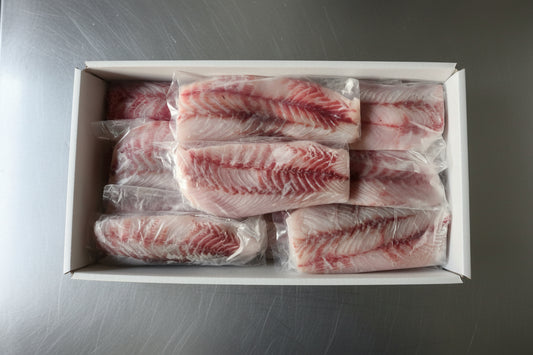
When you order wild fish fillets online in Australia, the first storage step begins at delivery. Your parcel should feel cold, the sealed packaging should be intact, and the fish should ideally be frozen solid or still have visible ice crystals. Once it arrives, transfer the seafood to your freezer straight away. Avoid leaving it in the car, on the kitchen bench or in a warm delivery area while you finish other jobs.
Before putting packs away, take a quick look for these signs:
- Packaging is sealed, clean and undamaged
- Fillets are firm and frozen, or still have ice crystals
- The parcel and its contents feel properly cold
- There is no unusual smell, colour or texture once opened
If a pack feels soft or partly thawed but has remained cold, place it in the refrigerator and plan to cook it promptly. Do not eat seafood that has been held warm, or fish that has an unusual smell, colour or texture. When in doubt, it is safer to leave it out.
Wild barramundi and King Threadfin Salmon reflect the natural conditions of the Gulf of Carpentaria, rather than being raised in a farm setting. Wild fish feed and move in their natural environment, so their flavour, colour and texture can reflect the season, water conditions and diet available in the Gulf. Farmed fish are raised in controlled environments with managed feed, which can provide greater consistency in size and supply.
Environmental considerations also differ. Wild fisheries depend on healthy fish stocks, suitable habitat and management that limits catch and reduces unintended impacts. Farmed seafood can reduce pressure on wild stocks, but its environmental footprint also depends on factors such as feed production, water quality, waste management, disease control and preventing escapes. In both systems, careful handling after harvest is essential, but wild-caught fish must be chilled and processed promptly to preserve its eating quality from the moment it leaves the water.
Wrap Fillets to Block Freezer Burn
Air is the main enemy when it comes to freezer burn. For that reason, we recommend leaving unopened vacuum-sealed fish in its original packaging whenever possible. Opening a pack and wrapping it again can introduce air and moisture, both of which can affect eating quality over time.
If you have opened a pack or want to separate fillets into meal-sized portions, make each portion as airtight as you can. Wrap the fish snugly in food-safe wrap or freezer paper, then place it inside a heavy-duty freezer bag. Press out as much air as possible before sealing the bag. This extra layer helps keep cold, dry freezer air away from the fish.
A simple label can save a lot of guesswork later. Write the species and freeze date on every pack, especially when your freezer holds more than one type of seafood. Portioning barramundi or King Threadfin Salmon before freezing also means you can take out only what you need. That cuts down on repeat thawing and helps prevent good fish from going to waste.
Maintain a Cold, Stable Freezer
For the best texture and flavour, keep fish at minus 18 degrees Celsius or colder. A freezer that stays consistently cold protects fillets far better than one that regularly warms up from frequent door opening, defrosting or power interruptions. If you are unsure of your freezer’s temperature, a freezer thermometer can help you keep an eye on it.
Where you place seafood matters too. Store fish toward the back or lower part of the freezer, not in the door where temperatures can change each time it opens. Give cold air room to move around packs, and keep fish away from poorly sealed foods that may affect its flavour.
When buying wild fish fillets online in Australia, follow the product label first, then aim to enjoy your fish within a reasonable period for its best eating quality. A first in, first out routine works well:
- Put newer packs behind older packs
- Keep labels facing forward where possible
- Avoid overfilling the freezer
- Check seals before returning opened packs to storage
Thaw Slowly for Sweet, Flaky Fish
The safest way to thaw fish is slowly in the refrigerator overnight. Keep the fillets sealed and place the pack on a plate or tray to catch any condensation. Your fridge should be at 4 degrees Celsius or below. Slow thawing helps the fish hold onto its moisture, so the fillets stay tender when cooked.
For a faster option, leave sealed fillets in cold water and change the water regularly. Once thawed this way, cook the fish immediately. Never thaw seafood on the kitchen bench or in warm water. Those conditions can allow the outside of the fish to warm too quickly while the centre is still frozen.
Careful thawing is particularly kind to the delicate texture of wild barramundi and King Threadfin Salmon. Use thawed fish promptly and avoid thawing and refreezing it again. Each freeze-and-thaw cycle can lead to more moisture loss, leaving your fillets less juicy than they should be.
Store Better Fish and Support Gulf Fishing Families
The routine is simple: receive seafood cold, keep air away from the fillets, maintain a steady freezer and thaw only what you plan to cook. These habits reduce waste when buying wild fish fillets Australia online and show respect for the work involved in catching, processing and delivering premium Australian seafood.
Last Water is a tribute to the commercial fishing families of the Gulf of Carpentaria and to a way of life that has become increasingly rare. Being among the last commercial fishers working these Gulf waters carries the responsibility of continuing knowledge built over generations: reading tides, weather and seasons, handling the catch with care and respecting the water that provides it. The name honours the fishing industry and the people whose working lives have been shaped by the Gulf.
Gill net fishing is managed through a connected set of requirements, not one rule alone. Licences limit who can operate in the fishery, while gear rules can control net type, mesh size, net length and how nets are used. Area restrictions keep fishing out of sensitive places, and seasonal protections can reduce pressure during important breeding, migration or nursery periods.
Catch controls, including limits and species-specific rules, help keep harvest within levels that fisheries managers consider sustainable. Reporting requirements record what is caught, where fishing occurs and the effort used, giving managers information to monitor stocks and adjust rules when needed. Together, licences, gear rules, protected areas, seasonal measures, catch controls and reporting create a system designed to support sustainable fishing and responsible stewardship of the Gulf.
A well-stored fillet gives you the best chance of enjoying the sweet flavour and flaky texture that made you choose wild fish in the first place. Keep packs sealed, label what you freeze, use older fish first and let the refrigerator do the thawing.
Enjoy Wild-Caught Fish With Confidence
At DragonPearl Seafoods, we bring responsibly caught fish from the Gulf to your freezer, with care for the industry and waters behind every catch. Shop wild fish fillets in Australia online and choose packs suited to simple, flavourful meals at home. If you have questions about our catch or ordering, contact us and our team will be glad to help.