How to Thaw Snap-Frozen Fish Fillets Without Losing Texture
Keep Every Fillet Firm, Flaky and Full of Flavour
Thawing fish the right way is what helps it stay firm, moist and easy to cook. Snap-freezing protects the natural quality of fish soon after processing, but a rushed thaw can leave even a beautiful fillet watery, soft or uneven in the pan.
At DragonPearl Seafoods, we handle, process and snap-freeze our wild-caught barramundi and King Threadfin Salmon from the Gulf of Carpentaria with care. That respect for the catch is part of our Last Water story, honouring the waters, fishing families and heritage behind every box. With a slow, cold and protected thaw, you can keep that quality on your plate.
Wild-caught fish comes from open waters and reflects natural diets, seasons and fishing conditions, while farmed fish is raised in controlled aquatic environments that can provide a more consistent supply. Neither is automatically better in every respect, so it is worth considering how fish is sourced, managed and handled from water to plate. Our focus is on responsibly managed wild catch and preserving its quality through careful processing and snap-freezing.
In the Gulf, gill net fishing operates under fishery-management rules that control licences, where and when nets can be set, the gear and mesh sizes used, and the species and sizes that may be retained. Catch reporting, compliance checks, area and seasonal closures, and protections for non-target species all help support healthy fisheries. We set and tend our nets carefully, follow these requirements and handle any non-target catch as quickly and responsibly as possible.
As some of the last commercial fishers working these Gulf waters, we know sustainability depends on more than the catch brought aboard. It relies on respecting the seasons, following the rules, monitoring fish stocks and passing fishing knowledge from one generation to the next. That commitment is what Last Water means to us: a tribute to the people and practices working to keep the industry alive.
Begin with a Slow Fridge Thaw
For the best texture, we recommend thawing fish gradually in the fridge. Keeping fillets at 5°C or below lets the ice crystals melt slowly, rather than pushing too much moisture from the flesh. The result is fish that stays glossy, firm and flaky when cooked.
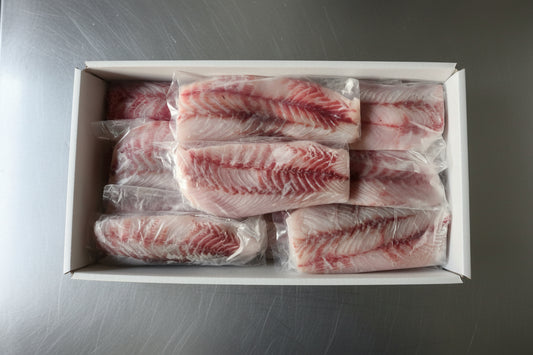
Place the unopened freezer-ready box, or individually wrapped portions, on a plate or shallow tray in the fridge. Set it on the lowest shelf, where any condensation cannot drip onto other foods. If your fillets are vacuum-sealed, always follow the directions on the pack, including any advice about opening the outer packaging before thawing.
Most individual fillets will thaw overnight. Thicker cuts and larger packs may need 12 to 24 hours, so it pays to check your dinner plan before the afternoon gets busy.
That same care we use from the Gulf to the freezer is worth carrying into your kitchen. A slow fridge thaw protects the texture we work to preserve when each fillet is processed and snap-frozen.
When customers buy snap-frozen fish fillets, they can make weeknight meals easier by moving the next day’s portions from freezer to fridge the night before.
Match Thawing Time to Your Fillet
Not every fillet thaws at the same pace. Thickness, portion size and the way the fish is packed all make a difference. A slim barramundi portion may be ready within several hours, while a thick King Threadfin Salmon fillet may need a full night in the fridge for an even thaw.
Individually portioned fish gives you more control, especially during the busy spring entertaining season. Rather than defrosting more than you need, move only the portions you plan to cook.
Because we portion and snap-freeze our Gulf catch soon after processing, you can thaw only what your household needs while keeping the remaining fillets protected in the freezer.
- Smaller portions can often go into the fridge in the morning for dinner that evening.
- Family-sized packs are best moved to the fridge a day ahead.
- Thick fillets need more time than thin portions.
- Keep fish chilled until you are ready to cook it.
A properly thawed fillet should feel flexible but still cold all the way through. There should be no hard, icy centre. A little natural liquid in the pack is normal, but the flesh should look intact and glossy, not pale, dry or broken down.
Choosing to buy snap-frozen fish fillets in convenient portions gives home cooks greater control over thawing, meal planning and freshness without needing to defrost a whole pack at once.
Use Cold Water When Time Is Tight
Sometimes dinner plans change. Cold-water thawing is a useful same-day backup when you have not had time for a fridge thaw, but it needs a little attention to protect the fish.
We protect our catch carefully after it leaves the Gulf, and keeping the packaging sealed during a cold-water thaw helps maintain that same protection at home.
Keep each fillet in its leakproof packaging, or place it in a securely sealed bag before it touches the water. This stops water getting into the pack and washing away flavour. Submerge the sealed fish in a bowl of cold water and replace the water every 30 minutes so it stays properly cold.
- Individual portions may thaw in 30 to 60 minutes.
- Larger or thicker portions will take longer.
- Use cold water only, never warm or hot water.
- Cook fish straight away once it has thawed this way.
Warm water and kitchen-bench thawing are tempting shortcuts, but they can soften the outside before the centre is ready. That creates patchy texture and can affect food safety. Once your fillet has thawed, gently pat it dry with paper towel before seasoning and cooking. A dry surface helps barramundi crisp nicely and helps King Threadfin Salmon sear instead of steam.
Avoid Mistakes That Make Fish Mushy
Room-temperature thawing is the main mistake we encourage you to avoid. Even when the middle of a fillet is still frozen, the outside can become too warm, soft and fragile. A fridge thaw takes more planning, but it is the most reliable way to protect both texture and quality.
Excess water can also work against you. Leaving fish sitting in melted ice, rinsing it under running water or putting a wet fillet straight into the pan can dilute its clean flavour. Drain any liquid from the pack, then blot the surface gently just before cooking.
Microwave thawing can be difficult with fish because thin edges may begin cooking while the centre is still frozen. If it is your only option, use the defrost setting in very short bursts and cook the fish immediately.
Fish thawed in the fridge may be safely refrozen in some circumstances, but a second freeze-thaw cycle can affect its texture. For the best result at the table, cook thawed fillets within one to two days and thaw only what your household plans to use.
Thaw with Care and Cook with Confidence
A little planning goes a long way. Thaw fish slowly in the fridge whenever possible, use cold water only when you need a safe faster option, and dry each fillet before it reaches the pan, barbecue or oven. Those small steps preserve the clean flavour and firm, flaky texture snap-freezing is designed to protect.
For us, caring for a wild-caught fillet does not end when it is packed. Thoughtful thawing respects the fish, the regulated Gulf fishery it came from and the Last Water heritage behind every meal.
Making thawing part of your weekly routine keeps spring dinners simple. Move a portion to the fridge before work, then come home to fish that is ready for pan-seared barramundi with seasonal greens or King Threadfin Salmon cooked on the barbecue.
Wild-Caught Fish Ready When You Are
At DragonPearl Seafoods, we snap-freeze our wild-caught fish to help preserve its clean flavour and firm texture from sea to kitchen. When you are ready to buy snap-frozen fish fillets, explore our range of carefully handled fish boxes. For help choosing a box that suits your household, contact us and our team will be happy to assist.