Beyond Farmed Fish: Why Last Water Backs Wild-Caught Barramundi
Choosing Seafood That Is Better for You and the Sea
Good seafood should warm you up, fill you up, and make you feel good to eat. When the weather cools down and we start craving fish curries, smoky grills and big oven bakes, it is worth asking a simple question: what fish are we actually putting on the plate, and where did it come from?
Not all fillets are the same. How and where a fish lives changes its taste, its texture and what it gives your body. It also changes what happens out on the water, from the health of wild stocks to the life of small towns along the coast.
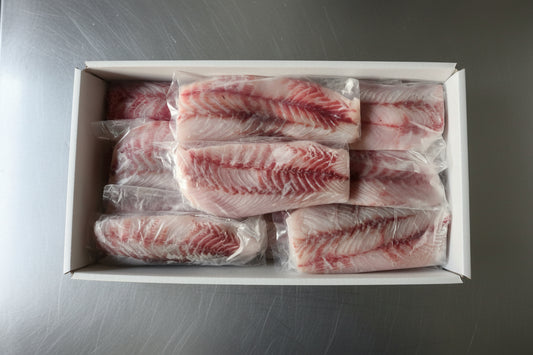
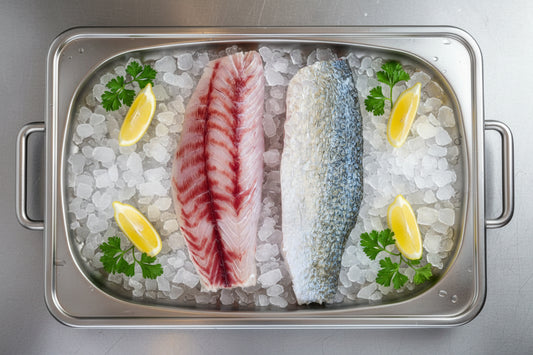
We work on the Gulf of Carpentaria, based in Karumba, catching wild barramundi and king threadfin salmon. Our Last Water range is snap frozen and sent direct to Australian homes, so the fish that fed our family can feed yours too. When you choose sustainably caught seafood like this, you are backing real fishing families and a fragile marine system, instead of a factory-style system you never see.
What Wild Barramundi Has That Farmed Fish Cannot Match
Wild barramundi are built by tides and weather. Out in the Gulf they move with the currents, hunting prawns and baitfish, pushing up creeks and working the channels. All that swimming and chasing gives the flesh a firm, springy feel and a clean flavour that does not need hiding under heavy sauces.
Farmed fish live a different life. They are kept in pens at high numbers, fed on a controlled diet and handled often. That can change how the fat sits through the fillet, how the fish feels when you bite into it and sometimes the taste on the tongue.
Wild fish also feed on what nature offers, not a set pellet. That usually means:
- A leaner fillet, without being dry
- Natural oils in gentle balance, not thick and muddy
- A range of micronutrients from prawns, crabs and baitfish
- No medicated feed or growth promoters in their diet
When we land a fish, the clock starts. The trick is to hang on to that just-caught quality. Snap freezing shortly after landing locks the flesh at its peak, so a fillet pulled from your freezer in the middle of July still tastes like a hot, bright day on the Gulf. Your winter curry or tray bake can carry a little piece of the tropics, even when you are rugged up.
Farmed vs. Wild and the Hidden Cost to Our Oceans
Aquaculture can take pressure off wild stocks, but intensive farms can bring their own problems. When a lot of fish are held in a small space, waste builds up under pens. Chemicals and treatments may be used to manage disease and parasites. Escapees can mix with wild populations, which may affect local fish and the places they live.
Wild capture is not automatically better. If people ignore size limits, seasons and quotas, wild stocks can suffer too. The difference comes when a fishery is tightly managed and the people on the water respect those rules.
In the Gulf of Carpentaria, small-scale line- and net fisheries operate under strict Queensland and federal rules. For our part, we work within those settings by:
- Fishing limited days and seasons, not chasing fish all year
- Using selective gear and mesh sizes that target legal fish
- Handling bycatch carefully and returning non-target species quickly
- Watching the tides, moon and weather, not just the calendar, so we are not hammering one area
Done this way, wild capture can be true sustainably caught seafood. Last Water barramundi sits on that side of the line, caught in a fishery where looking after future seasons is part of the job, not an afterthought.
Among the Last Boats on the Gulf
Our family has worked out of Karumba for a long time. We know the feel of wet deck boards under cold feet before sunrise, the slap of a barra tail in the net and the way the air changes when the weather turns. Over the years we have watched the number of commercial barra boats drop.
You see it on the wharf. Empty berths that used to be full. Fewer lights along the water at night. Less talk at the ice works and fuel depot. Local knowledge, built tide by tide, now sits with only a handful of crews.
When boats tie up for good, it is not just skippers and deckhands who feel it. Small towns rely on working fleets. If the boats go, the work at the ice plant, the fuel shed and the processing sheds dries up. More of the fish on city plates then comes from somewhere else, or from large farms far away from the people eating it.
Winter can be a slower patch on the Gulf. Fewer tourists, cooler nights and sometimes fewer orders. When city households choose wild-caught fillets for July and August comfort food, they help keep the last working boats fueled and the small local services ticking over.
Why We Call It Last Water
Last Water is a phrase we use on the boat. It can mean the final push of a tide, the last run of fish on a bank, or the feeling when you know you are working grounds that fewer and fewer people still work.
We chose the name as a tribute to that way of fishing. It is about respect for old-school seamanship, where you read the sky as much as the screen. It is about fair work on deck, where everyone pulls their weight and knows that safety and care come first. It is about understanding seasons, moon phases and weather that no satellite can fully explain.
For us, Last Water is also a promise:
- We will hold the line on sustainably caught seafood
- We will not chase volume if it risks the fishery
- We will treat the fish and the place we work as something to pass on, not burn through
If we lose these last waters to only industrial or imported fish, we lose more than a nice fillet. We lose stories, skills and a direct link from Australian seas to Australian tables. Keeping that story alive can be as simple as what you choose to cook for dinner.
Bring Wild Gulf Barramundi to Your Winter Table
If you want your meals to line up with your values, start with simple questions. When you buy fish, check the label. Ask where it was caught. Look for Australian wild-caught options and any notes about how and where the fishery is managed.
Some easy winter ways to let wild barramundi shine are:
- Crispy skin fillets with roast pumpkin, potatoes and green beans
- A creamy fish pie topped with mash and baked until golden
- Coconut barramundi curry with ginger, lime and loads of winter veg
- Simple salt, pepper and lemon on the grill, with a warm salad on the side
When you buy direct from a fishing family, the path is clear. From net on the Gulf, to the processing shed in Karumba, to snap-frozen packs, there are no mystery steps in between. You know who caught your fish, how it was handled and what waters it came from.
Choosing wild, sustainably caught seafood is about more than a single meal. It is a small, steady way to back real fishermen, real oceans and real flavour, one winter plate at a time.
Bring Fresher, More Sustainable Seafood To Your Table
Choose DragonPearl Seafoods for premium quality that respects Australia’s oceans and local communities. Explore our range of sustainably caught seafood and taste the difference that responsible fishing makes. If you have questions about specific species, sourcing or bulk orders, simply contact us and we will help you find the right catch for your kitchen.