Wild-Caught Fish Fillets Vs Farmed: What Gulf Rules Change
Discover What Your Fish Choice Really Supports
Choosing seafood is about more than flavour and convenience. When you choose wild-caught fish fillets, you are also choosing a fishing origin, a way of producing food, and the people involved in bringing it to your table. For us, those choices begin in the Gulf of Carpentaria.
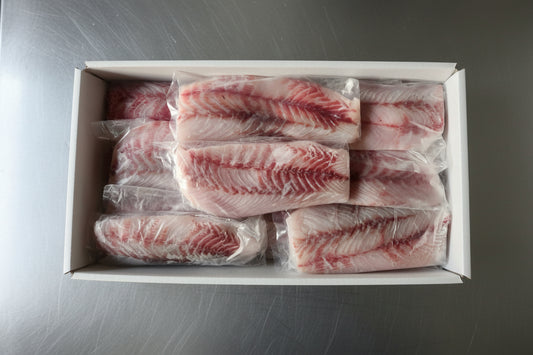
At DragonPearl Seafoods, we are a family-operated business supplying wild-caught barramundi and king threadfin salmon. We carefully process and snap-freeze our fish for direct-to-customer seafood boxes, so Gulf fish can be part of your everyday meals and shared occasions. As warmer weather arrives, premium Australian fish is an easy centrepiece for spring barbecues, family dinners and early summer entertaining.
Neither wild-caught nor farmed fish is automatically the better choice in every situation. What matters is knowing where your fish came from, how it was caught or raised, how it was handled, and whether you can trust the story behind it.
Wild-Caught Fish Follows the Gulf’s Natural Rhythm
Wild fish live by the rhythm of the Gulf. Water temperature, tides, food sources, migration and breeding cycles all influence where fish are found and when they are available. That means a wild harvest can change through the seasons, because nature sets the pace.
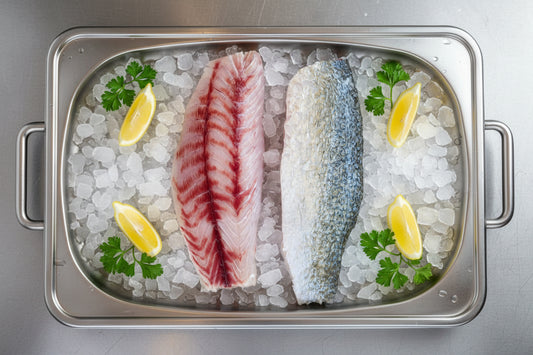
Our Gulf-caught barramundi and king threadfin salmon offer a direct connection to northern Australian waters. Both are valued for their clean, delicate flavour and flexibility in the kitchen, whether you are cooking simple fillets in a pan, on the barbecue or in the oven.
Wild harvest is not simply a matter of taking whatever is available. Commercial fishing operates within management rules that guide where, when and how fishing can happen. These arrangements are designed to support healthy fish stocks while recognising that the Gulf is a living environment with changing conditions.
For us, the appeal of wild-caught seafood comes back to a few simple things:
- Fish caught in its natural Gulf habitat
- Supply shaped by seasons rather than a fixed production cycle
- A clear connection between the catch, local processing and your table
- Respect for fishing rules, closed areas and breeding periods
That traceability matters. Knowing the origin of a fillet gives you a better understanding of what you are serving, especially when food becomes part of a long lunch, a family gathering or a relaxed meal outdoors.
Farmed Fish Brings Consistency Through Controlled Conditions
Farmed fish is raised in managed conditions, where producers can oversee feed, stocking, water conditions and harvest timing. This approach can provide dependable supply across the year and consistent sizing for shops, restaurants and home cooks.
There is value in that reliability. Farmed seafood can help make fish more regularly available, particularly when wild catches are affected by weather, seasonal closures or natural movements of fish stocks. Responsible aquaculture has an important place in the wider seafood supply.
The difference is that wild fish comes with more natural variation. A Gulf catch is shaped by what is happening on the water, not by a production schedule. Some seasons may bring different availability, and fishing conditions can change quickly.
Rather than relying only on the label “wild” or “farmed”, we encourage you to ask a few useful questions:
- Where was the fish sourced?
- How was it caught or raised?
- Was it processed locally?
- How was it stored and handled before it reached you?
These questions make room for a more thoughtful seafood choice. They also help you see why we choose to work with wild Gulf fish, while still respecting the role responsibly farmed seafood can play.
Gulf Gill Net Rules Protect Fish, Habitat and Livelihoods
Commercial gill net fishing in the Gulf operates within fisheries management requirements. Fishers must work under commercial licensing arrangements and follow rules that can cover target species, fishing gear, net specifications, approved fishing areas, seasonal closures, catch reporting and compliance checks.
Those rules matter because fishing is not separate from the health of the water. Area and seasonal closures can help protect fish at important times, including breeding periods. Gear requirements are intended to support more selective fishing and reduce impacts on undersized fish, protected species and sensitive habitats.
Management is not a one-off promise made by a single business. It relies on fishers doing the right thing on the water, fisheries managers reviewing catch and stock information, and customers choosing seafood with a clear source.
When you choose traceable, regulated wild-caught fish fillets, you are supporting a system built around accountability. That does not mean fishing has no challenges. It means the work is guided by rules that recognise the need to care for fish stocks, habitat and the communities that rely on the Gulf.
For us, responsible fishing includes:
- Following current fisheries requirements
- Respecting closures and restricted areas
- Recording catches through required reporting processes
- Handling fish carefully once it is landed
- Keeping the connection between catch, processing and customer clear
Good seafood should come with more than a label. It should come with an origin you can understand.
Last Water Honours a Gulf Fishing Legacy
Last Water is our tribute to the commercial fishers who have worked the Gulf across generations. It speaks to the final stretch of water, the changing tide, the long days and the patience needed to work in a place shaped by weather, distance and fisheries rules.
Commercial fishing communities are becoming smaller, and that reality deserves honesty. Working on the water takes skill, local knowledge and a willingness to adapt. It is demanding work, often carried out far from towns and familiar comforts. We do not romanticise those challenges, but we do respect the people who keep showing up with care and responsibility.
Our family-operated approach is tied to that respect. Each box of fish carries more than a meal. It carries the work of Gulf fishers, local handling and the knowledge built over years spent reading water, tides and seasons.
Last Water is a reminder that every responsibly caught fish has a place, a season and people behind it.
Bring the Gulf to Your Table
Wild-caught and farmed fish are produced in different ways, and both can be part of a thoughtful seafood choice. The best place to start is with transparency: know the source, understand the handling, and look for respect for the environment and the people who supply your food.
As spring rolls into summer, Gulf-caught barramundi and king threadfin salmon can bring something meaningful to shared meals. Choosing fish with a clear origin helps keep the connection between water, season, fishing knowledge and the plate in front of you alive.
Bring Gulf Fish To Your Table
Choose wild-caught fish fillets selected for meals that value flavour, traceability and the people behind the catch. At DragonPearl Seafoods, we pack fish that reflects our respect for the Gulf’s working fishing traditions. Our boxes make it easier to keep quality seafood ready for the meals you share at home. If you have a question about our catch, contact us.