After Last Water: Wild-Caught Seafood Buying and Cooking Guide for Tight Supply
Shop Smart When the Sea Says “Not Today”
Sometimes the sea just says “not today.” Tides shift, water warms, rules change, and suddenly your favourite wild barramundi is not sitting in the display like it used to, especially in the cooler months. That does not mean you stop eating fish. It just means you start buying and cooking a bit smarter.
This guide is for home cooks who care where their seafood comes from and want to keep eating sustainably caught seafood even when supply tightens. We will talk through wild versus farmed, how gill nets really work, what our Last Water name means for Gulf fishing families, and practical ways to plan menus, swap species, and store fish well so nothing is wasted.
We fish out of Karumba in the Gulf of Carpentaria, and we see the changes firsthand. Shorter seasons, stricter rules, and climate shifts all shape what we can responsibly catch, and what you can reasonably expect to find in the freezer or at the counter.
Wild Versus Farmed When Stocks Run Low
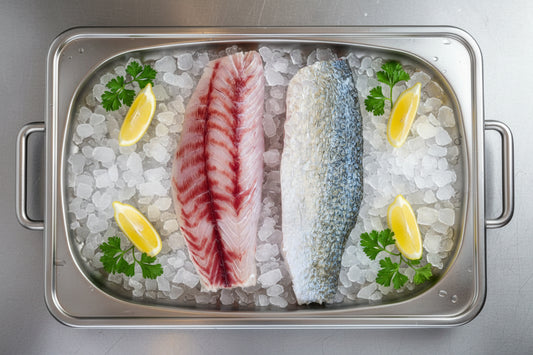
Wild-caught means fish taken from natural waters, not raised in pens or ponds. Our Gulf barramundi and king threadfin salmon grow on tides, baitfish and floods. They taste a little different across the year, with changes in fat and flavour as seasons and rivers move.
Farmed fish are raised by people. They are usually fed pellets and kept in controlled conditions. This often means:
- More consistent size and fat level
- More steady supply across the year
- Less variation in taste from one fillet to the next
There are a few common ideas that get thrown around: that farmed is always bad, or that wild is always better. Reality is a bit more mixed.
Wild fish:
- Often have a cleaner, more “natural” flavour
- Depend on healthy rivers, reefs and rules
- Can have patchy supply when the weather, floods or closures kick in
Farmed fish:
- Can take pressure off wild stocks when done well
- Use feed, fuel and infrastructure, which also has impact
- May use antibiotics or chemicals, depending on farming practice and rules
When you are at an Australian fish shop or supermarket, simple label cues help:
- Look for “Product of Australia”
- Check if it says “wild caught” or “farmed”
- Read the catch or farm area if listed
- Notice any independent certification logos
If your usual wild choice is off the menu, a well-managed farmed option can be the better pick for the moment. The aim is not “wild at all costs”; it is steady, sustainably caught seafood without hammering one species.
How Sustainable Gill Net Fishing Works
Gill nets get talked about a lot, often not kindly. In reality, professional operators in the Gulf work under tight rules to keep the method selective and controlled.
A gill net is a length of netting set in the water so fish swim into it and are held gently by the gills. It sounds simple, but the details matter:
- Mesh size is set so small fish can slip through
- Net length and how long it can soak are regulated
- Grounds are chosen to match target species and avoid problem areas
In Queensland and across the Gulf, rules shape everything we do. These include:
- Licence limits and quotas on what can be caught
- Seasonal closures to protect spawning and recovery
- Strict rules around bycatch and protected species
- Reporting, monitoring and checks on commercial operators
All these rules affect what reaches your plate. They help keep fish populations healthier, make supply more reliable long-term, and give you better traceability. When you buy from regulated operators, you are backing methods that are watched, measured and adjusted, not guesswork.
Last Water, Gulf Heritage and Quality on the Plate
Last Water is a name with a lot of weight for us. It nods to an industry that is shrinking, to the last nets in certain creeks, and to the last generations who still choose long nights and early tides over easier work on land.
A typical season out of Karumba starts well before sunrise. We read the wind, tides and moon, choose grounds, set gear safely and work with the weather, not against it. Back on shore, the catch is processed and snap frozen quickly, so the fish you cook at home is locked in close to how it came out of the water.
When rules change or grounds close, it is not just numbers on a sheet. It is favourite haunts we can no longer work, and fewer weeks on the water. That also means every fish we do land is treated with more care, because there is no room for waste.
Being among the last commercial fishing families shapes quality in quiet ways:
- We know the marks and seasons deeply
- We respect the fish, the country and the rules
- We trim and pack to use as much of each fish as we can
- We think about what will be left for tomorrow, not just what sells today
Planning Menus Beyond Barramundi
When your usual Gulf barra or king threadfin is scarce, it helps to think in textures and fat levels rather than names.
If you like firm, mild fish for pan-frying or baking, try:
- Wild-caught Spanish mackerel or queenfish
- Other firm white Gulf species with low to medium oil
If you enjoy richer fish in curries or grills, try:
- Fattier species that hold together in sauce
- Well-managed farmed fish with good fat content
Winter and early spring in northern Australia change what is biting and how often we can get out. That is where snap-frozen Gulf fish help. Frozen close to catch, they carry you through the quiet stretches, which is handy if you live inland or away from coastal fish shops.
For cooking, a few simple rules of thumb work across many species:
-
Firm, low fat fish: great for crumbed, pan fried or simple bakes
-
Medium fat fish: ideal for grilling, roasting and tacos
- High fat fish: perfect in curries, soups and smoking
Follow what the recipe needs from the fish, not just the species name on the page. If a recipe asks for barra and you have a similar firm white fillet, you are usually fine.
Storing, Freezing and Using Every Last Fillet
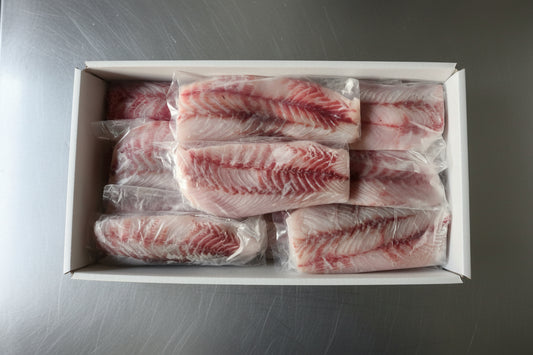
Buying snap-frozen, sustainably caught seafood can be a smart way to keep quality high at home. Look for:
- Clear pack dates and species names
- Tight vacuum packs with no ice crystals inside
- Fillets that look firm and not dried on the edges
At home, a few basics protect your fish:
- Keep fresh fish cold and eat within a couple of days
- Freeze what you will not cook quickly
- Thaw in the fridge or a cold water bath, never on the bench
- Cook from frozen only when the fillet is thin enough to heat through safely
Signs a fish has gone past its best include a strong sour smell, sticky or mushy flesh and yellow or grey patches. When in doubt, do not risk it.
To honour wild fish, we try to waste as little as possible. Leftover cooked fish can turn into:
- Fishcakes or patties
- Fish pies or bakes with mash on top
- Kedgeree-style rice dishes
- Curries or chowders for the next day
Trimmings can flavour stocks or soups. Every bit you use is one less fish that had to be caught to feed your household, and that is the heart of sustainably caught seafood: taking only what we need, and using it well.
Enjoy Fresh, Responsible Seafood Delivered To Your Door
Explore our range of sustainably caught seafood and taste the difference that careful harvesting and traceable sourcing can make. At DragonPearl Seafoods, we work closely with trusted fishers so you can feel confident about what you are serving your family. If you have questions about our catch methods, delivery options or wholesale orders, please contact us and our team will be happy to help.