Wild Seafood Buyer’s Guide: How to Verify Sustainability and Traceability
How to Confidently Choose Sustainably Caught Seafood
Choosing sustainably caught seafood is one of the simplest ways we can care for the ocean and still enjoy good fish on our plates. The sea is under pressure from warming water, strange weather, and shifting fish stocks, and regional fleets are getting smaller every year. When we choose well, we help protect those fish, their habitats, and the communities that rely on them.
The tricky part is that seafood labels can be confusing. At the counter you might see wild-caught, responsibly farmed, imported, local, different eco-labels, and lots of fine print. A label can be a good start, but it is rarely the whole story.
We like to keep it simple with a clear buyer’s framework you can use for almost any species:
- Traceability
- Certifications and rules
- Gear type
- Seasonality
- Smart questions for your supplier
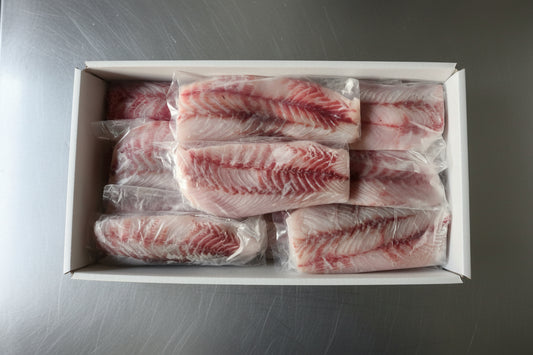
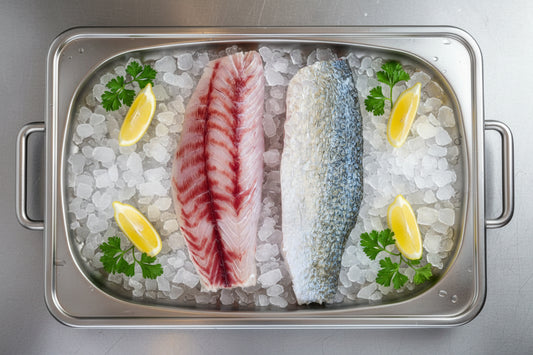
From our home base in Karumba, our family business fishes the Gulf of Carpentaria and sells snap-frozen barramundi and king threadfin salmon through our Last Water range. We see every day how traceability and careful gill net fishing can work in real life. There is also a deep emotional side to all this. When you buy genuinely sustainable wild-caught seafood, you are helping keep the last commercial boats working, and keeping their stories alive on the water, not just in old photos on a pub wall.
Wild Caught vs. Farmed Seafood Explained Clearly
First, let us clear up what wild-caught and farmed actually mean. Wild-caught fish live their whole lives in oceans, rivers or estuaries. For barramundi in the Gulf, that means moving with tides, feeding on baitfish and prawns, and being caught in managed fisheries. Farmed fish are raised in ponds, tanks, or sea cages, usually on a set feed and in controlled conditions.
Both can have good points and weak spots. It depends on the species, the method, and who is running the operation.
Wild-caught usually means:
- Natural diet and real ecosystem flavour
- Seasonal runs instead of constant supply
- Strict rules on size, area and bycatch
- More exposed to climate shifts and poor water quality
Farmed usually means:
- Year-round supply and reliable sizes
- Close control over stock health
- Big questions about feed sources
- Possible issues with waste and chemicals if badly managed
There are a few common myths worth clearing up. Wild is not always better by default, and farmed is not always bad. In Australia, both wild and farmed seafood sit under rules and checks. What really matters is knowing which species you are buying, where it comes from, and how it was produced or caught.
When you read labels, look past broad words like product of Australia. That can still hide a lot of detail. Try to pin down:
- Exact country or region, for example, Gulf of Carpentaria, QLD
- Proper species names, such as barramundi or king threadfin, not just white fish
- Any batch or catch codes that hint at a traceable source
Choosing sustainably caught seafood is really about backing the operators who stick to the rules, care about the long term, and respect the environment that feeds them.
Reading the Water: Traceability, Labels and Certifications
Traceability is the backbone of truly sustainably caught seafood. It means you can follow each fillet from a real boat and net all the way to your plate. When that chain is clear, there is less room for guesswork or greenwashing.
On packaging or menus, take a moment to check:
- Country and region of origin, not just where it was packed
- Full species name, not just generic terms
- Batch or catch codes that link to a trip, vessel, or family business
There are several certifications and programs that can help. Some focus on wild capture, some on farms, and some on traceability and legality. A well-known example is the MSC Blue Tick, which checks things like stock health, impacts on the wider ecosystem, and fishery management. On top of that, Australian wild capture fisheries sit inside state management plans with set quotas, seasons and reporting rules.
From our own side up in Karumba, we work under Gulf of Carpentaria fishery rules, log our catch, and snap freeze fish soon after landing. That keeps quality high and also locks in a clear story, from one fishery and a known family operation.
A quick label checklist you can keep in your head looks like this:
- Can I see exactly where it was caught or farmed?
- Do I know the proper species name?
- Is there any code or mark tying it to a fishery or program?
- Does the seller seem happy to answer questions and explain?
If those boxes are ticked, you are already well on your way to choosing more responsibly.
Why Sustainable Gill Net Fishing Matters in the Gulf
Gill net fishing can sound technical, but it is really quite simple. A net is set in the water so fish swim into it and are held gently by the gills if they are big enough. Mesh size is set by law, so smaller fish and many non-target species can slip through.
In the Gulf of Carpentaria, gill net fishing is shaped by tight rules such as:
- Limited licences and zones where nets can be used
- Seasonal closures that match key spawning periods and monsoon shifts
- Size limits and bycatch rules to protect young fish and non-target species
- Logbook and reporting requirements, enforced by Queensland Fisheries
These rules work together to keep gill net fishing sustainable by controlling how many nets are in the water, when and where they are used, and what can be retained. Limited licences and defined zones cap total effort and keep pressure off sensitive habitats. Seasonal closures line up with key breeding times so fish can spawn and stocks can renew. Size limits and bycatch rules make sure enough juveniles and non-target species survive, while logbooks and reporting give managers real data to adjust settings when needed.
Responsible gill net crews work hard to reduce their impact by:
- Keeping soak times short so fish come aboard in good condition
- Checking nets regularly to release non-target species like turtles quickly
- Maintaining gear so there are no ghost nets drifting around
- Using smaller boats with a low fuel use per kilogram of fish
You might have heard stories about damaging net fisheries overseas. Gear type is only part of the story. What really counts is the mix of local rules, enforcement on the water, and the values of the people running the gear. In a well managed fishery, clear regulations, active monitoring, and responsible crews mean gill nets can be a practical, low-tech way to put fresh, wild local fish on Aussie tables without hammering the stock.
Last Water Stories: Among the Last Commercial Fishermen
Out on the Gulf, a typical dry season morning starts before first light. The air is cool, the sky is full of stars, and the boat pushes off from Karumba while the tide is right. Nets go into the water in the dark, guided by years of reading winds, currents, and small signs on the surface. As the sun comes up, silver flashes of barramundi and king threadfin show in the mesh, along with a mix of other life that tells us how the season is tracking.
Each year, there are fewer boats out there with us. Older skippers retire, licences are bought out or left idle, and many younger people choose town jobs instead of long nights on the water. Standing on the deck and looking across an almost empty horizon, you feel what it means to be among the last commercial fishermen still working these Gulf waters.
When that happens, we lose more than just fish supply. We lose:
- Generational knowledge about local runs and weather shifts
- A big part of what makes towns like Karumba feel like themselves
- A clear connection between city seafood lovers and the places their fish are from
Our Last Water tribute range grew from this reality. It is shaped by the feeling that we are fishing through the last working years of a long tradition, and that every trip could be one of the last on these grounds for family-run crews like ours.
What "Last Water" Means as a Tribute
The name “Last Water” is our way of honouring the fishing industry that built towns like Karumba and fed Australia for generations. “Last” reflects the shrinking number of working boats and the final seasons of many family operations that once lined these rivers and coasts. “Water” stands for the fishing grounds themselves, the estuaries, channels and open Gulf that have carried these boats and their stories.
Together, “Last Water” is a tribute to the commercial fishing industry:
- To the skippers and crews who read tides and weather instead of clocks
- To the families who mended nets on verandas and raised kids on wharves
- To the local processors, truck drivers and wharfies whose work seldom makes the headlines
Each fillet in the Last Water range carries the story of a real crew on a real boat, working under strict sustainable rules and doing their best to leave something for the next season. When you choose it, you are not just buying a product, you are tipping your hat to an industry that is quietly disappearing from many parts of the Gulf and around Australia.
Smart Questions for Suppliers
To support that kind of fishing, you do not need to know every rule in the book. You just need a few smart questions you can ask any supplier, any time of year:
- Is this fish wild-caught or farmed, and where exactly was it harvested?
- What method was used to catch or grow it, and how is that method regulated to keep it sustainable?
- Is this species in season now, or was it snap frozen at peak season?
- Which fishery plan, regulation, or certification backs up your sustainability claim?
Seasonality matters a lot. Up north, late June often lines up with dry season patterns and specific closures or peak runs. A fillet that was snap frozen soon after landing in peak season is often better quality than so-called fresh fish that has spent many days on ice and trucks.
Every time you ask these questions, you reward the suppliers who care about traceability and honest answers. That feedback quietly pushes the whole seafood trade toward genuinely sustainably caught seafood, not just the popular species, but the prawns, squid, and lesser known fish as well.
When you bring Gulf barramundi or king threadfin home, you are not just serving dinner. You are backing some of the last working fleets in the Gulf, keeping hard-won knowledge alive, and helping make sure wild fish, coastal communities, and the fishing industry they built still have a place in Australia’s future.
Enjoy Fresh, Responsible Seafood On Your Table
Bring the taste of the ocean home with our carefully selected range of sustainably caught seafood that supports healthy marine ecosystems and Australian fishers. At DragonPearl Seafoods, we source with care so you can serve meals you feel good about sharing. Explore our collection today, and if you have any questions about specific species or origins, please contact us.